







What's Happening?
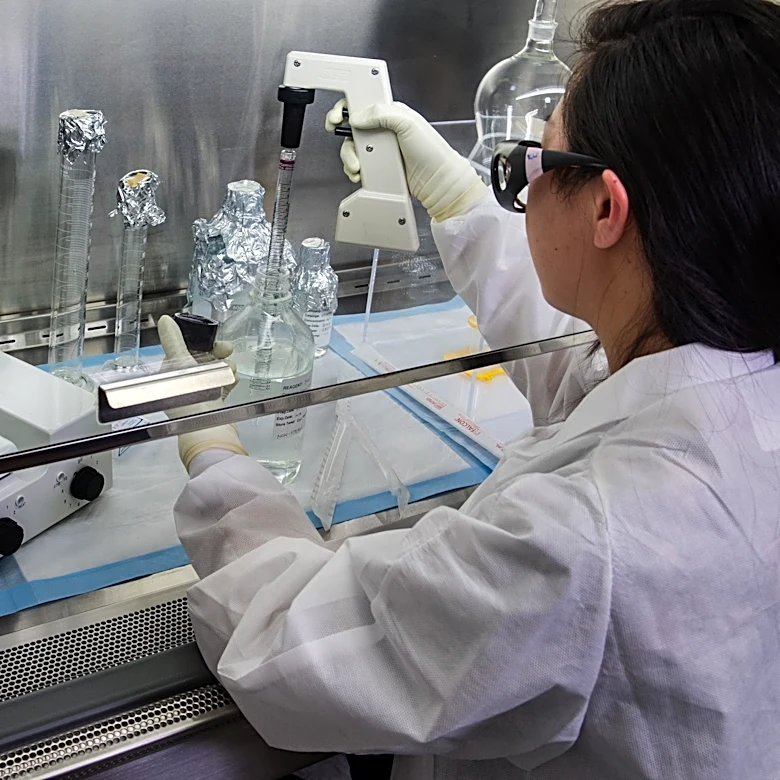
Gunther Hollopeter, an associate professor in molecular medicine at Cornell University, is leading research focused on understanding the intricate functions of membrane-associated protein complexes. His team utilizes C. elegans genetics, live imaging,
and biochemical assays to investigate these cellular mechanisms. A significant discovery from his lab includes identifying two protein classes, NECAPs and muniscins, which play opposing roles in regulating the clathrin adaptor complex AP2 during endocytosis. These allosteric modulators are crucial for understanding how cells selectively internalize endocytic sites and cargo. Hollopeter completed his undergraduate studies at the University of Washington and earned his Ph.D. at the University of California, San Francisco, before joining Cornell's faculty in 2015.
Why It's Important?
This research is vital for advancing the understanding of fundamental cellular processes, particularly endocytosis, which is essential for nutrient uptake, cell signaling, and synaptic function in neurons. Dysregulation of endocytosis is implicated in various diseases, including neurodegenerative disorders and certain cancers. By delineating the inner workings of membrane-associated protein complexes and their allosteric modulators, Hollopeter's work could pave the way for new therapeutic strategies. The insights gained into how cells select and internalize specific cargo could lead to novel approaches for drug delivery or interventions targeting disease pathways. This foundational biological research contributes significantly to the broader field of molecular medicine, impacting future medical advancements.
What's Next?
The ongoing research by Gunther Hollopeter and his team at Cornell University is expected to continue exploring the precise mechanisms by which NECAPs and muniscins regulate AP2 during endocytosis. Future studies will likely delve deeper into the structural and functional aspects of these protein classes, aiming to fully elucidate their roles in cellular processes. This continued investigation could lead to the identification of additional regulatory components or pathways involved in membrane dynamics. The findings may also inform the development of new experimental models or tools for studying endocytosis, further accelerating research in this critical area of cell biology and molecular medicine.
Beyond the Headlines
The work on membrane-associated protein complexes by Gunther Hollopeter has broader implications beyond basic cell biology. Understanding the intricate control of endocytosis, particularly the selective internalization of cargo, could offer insights into how pathogens exploit cellular machinery to enter cells or how cells develop resistance to certain treatments. The discovery of allosteric modulators highlights the sophisticated regulatory networks within cells, suggesting potential targets for precision medicine. This research underscores the importance of fundamental scientific inquiry in uncovering the complex biological processes that underpin health and disease, ultimately contributing to a deeper appreciation of cellular life.