



What's Happening?
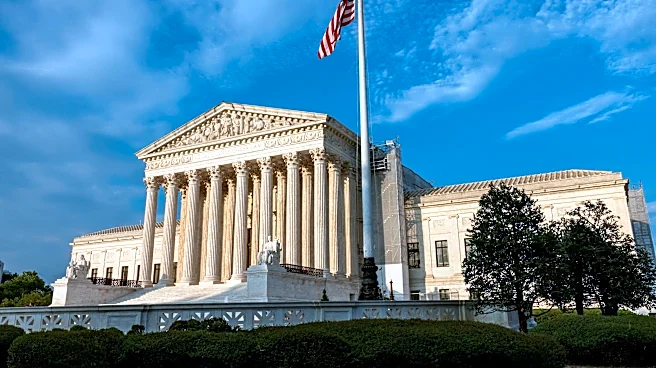
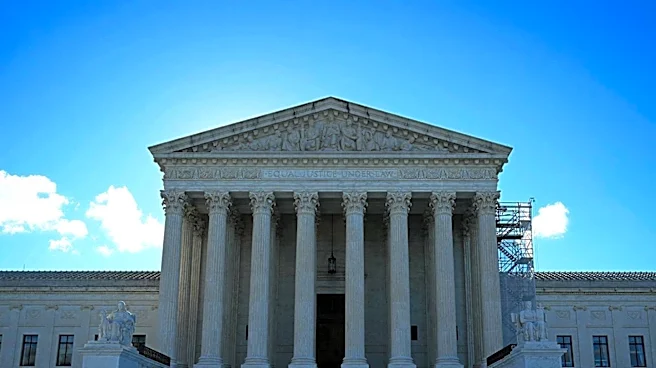
A panel discussion at the University of Colorado Boulder reviewed significant rulings from the U.S. Supreme Court's 2025-26 term. The event, hosted by Colorado Law's Byron R. White Center and sponsored by Faegre Drinker, featured legal scholars and practitioners
who analyzed the implications of various court decisions. Key cases discussed included West Virginia v. B.P.J., which upheld a state ban on transgender girls joining female school athletic teams, and Chiles v. Salazar, which addressed Colorado's bans on conversion therapy for minors. The panel also examined Trump v. Barbara, reaffirming birthright citizenship, and Learning Resources, Inc. v. Trump, which limited presidential power to impose tariffs. The event attracted over 250 attendees, including local attorneys, faculty, and students.
Why It's Important?
The rulings discussed have significant implications for U.S. law and society. Decisions like West Virginia v. B.P.J. and Chiles v. Salazar impact LGBTQ+ rights and the legal scrutiny applied to state laws affecting these communities. The reaffirmation of birthright citizenship in Trump v. Barbara ensures the continuation of a long-standing constitutional principle, affecting millions of individuals, including children of undocumented immigrants. Additionally, the limitation on presidential tariff powers in Learning Resources, Inc. v. Trump could influence future executive actions in international trade. These rulings collectively shape the legal landscape regarding civil rights, executive power, and immigration.
What's Next?
Future legal challenges and legislative actions may arise as stakeholders respond to these rulings. Advocacy groups might push for further protections or contest existing laws in light of these decisions. The reaffirmation of birthright citizenship could prompt legislative efforts to address immigration policy comprehensively. Additionally, the limitation on presidential tariff powers may lead to increased congressional involvement in trade policy. Legal scholars and practitioners will likely continue to analyze these rulings' implications for future Supreme Court terms.