






What's Happening?
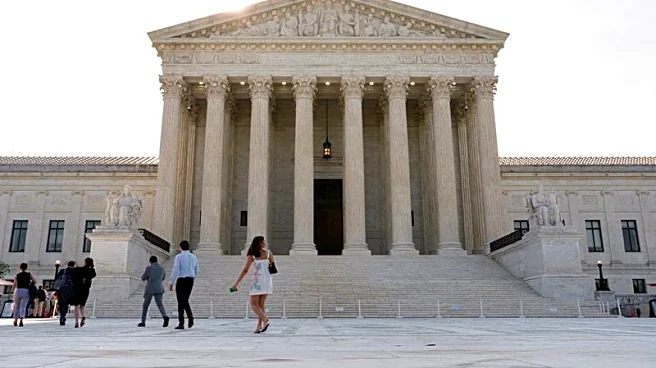
The Supreme Court has issued a ruling in the case of Trump v. Slaughter, which significantly increases the president's power over independent regulatory agencies. This decision overturns the precedent set by Humphrey’s Executor v. United States, allowing
the president to fire officials from these agencies without cause. The ruling aligns with Project 2025, a policy plan from the Trump administration aimed at reshaping American society by increasing presidential control over government functions. This change is expected to bring partisan politics into areas of government that were previously non-partisan, affecting everyday life for many Americans.
Why It's Important?
The ruling represents a major shift in executive power, potentially allowing the president to exert greater influence over regulatory bodies that impact various aspects of American life, from financial regulations to consumer protections. This could lead to increased politicization of agencies that have traditionally operated independently, affecting their ability to function impartially. The decision may also set a precedent for future administrations to further consolidate power, raising concerns about the balance of power within the U.S. government and the potential for increased partisanship in regulatory decisions.
What's Next?
The ruling may prompt further legal challenges and debates over the extent of presidential power. It could also lead to changes in how regulatory agencies operate, with potential impacts on their effectiveness and independence. Political leaders and civil society groups may respond with calls for legislative or judicial actions to address concerns about the concentration of power in the executive branch.