







What's Happening?
Minnesota's Public Utilities Commission has approved Xcel Energy's pilot project to develop the state's first virtual power plant. This initiative involves linking smaller battery systems to act as a unified power source, reducing the need for costly
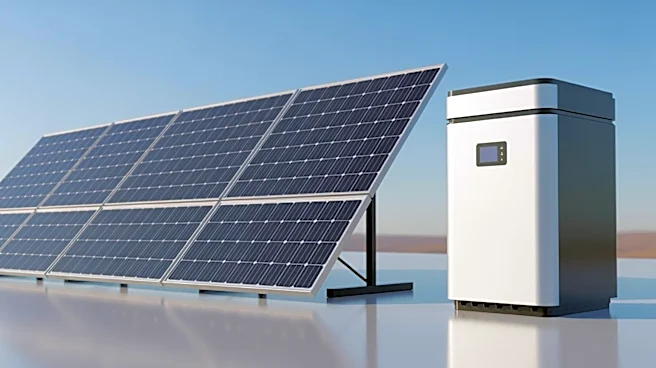
grid upgrades. The project, set to launch in 2028, will use a network of utility-owned batteries strategically placed within communities to manage peak demand and enhance grid flexibility. This approach aims to mitigate the costs and environmental impact associated with traditional peaker plants, which often rely on natural gas.
Why It's Important?
The virtual power plant represents a significant shift towards more sustainable and cost-effective energy management. By utilizing distributed energy resources like solar and battery storage, the project can reduce reliance on fossil fuels and lower emissions. This initiative also highlights the potential for virtual power plants to provide a more resilient and adaptable energy grid, capable of meeting increasing demand without extensive infrastructure investments. The project could serve as a model for other states looking to modernize their energy systems and improve grid reliability.
What's Next?
Xcel Energy will continue to develop the infrastructure needed for the virtual power plant, with a focus on integrating the battery systems into the existing grid. The company will also work on determining the specific locations for these systems to maximize their effectiveness. As the project progresses, it will be closely monitored by the Public Utilities Commission to ensure it meets performance and reliability standards. The success of this pilot could lead to broader adoption of virtual power plants across the state and potentially influence energy policy at a national level.