





What's Happening?
The Port Authority of New York and New Jersey has implemented a fare increase for PATH trains, raising the cost from $3 to $3.25. This fare hike is part of a broader initiative to fund the agency's $45 billion Capital Plan for 2026-2035, which aims to modernize
the 118-year-old system. The increase supports the return of 7-day service on all PATH lines for the first time in 25 years, with additional improvements planned. The fare is set to rise incrementally, reaching $4 by 2029. The service enhancements include increased frequency during rush hours and late nights, with specific improvements on the Journal Square–33rd Street and Hoboken–World Trade Center lines. The changes are part of the completed $430 million 'PATH Forward' program, which upgraded infrastructure and customer service capabilities.
Why It's Important?
The fare increase and service enhancements are significant for commuters in the New York and New Jersey area, as they promise more reliable and frequent service. The return of 7-day service on all lines is a major milestone, improving accessibility and convenience for riders. The infrastructure upgrades are expected to enhance the overall efficiency and safety of the PATH system, potentially boosting economic activity by facilitating smoother commutes. The transition to a tap-and-go payment system aligns with modern transit trends, offering a more seamless experience for passengers. These developments reflect a substantial investment in public transportation, which could have long-term benefits for regional connectivity and economic growth.
What's Next?
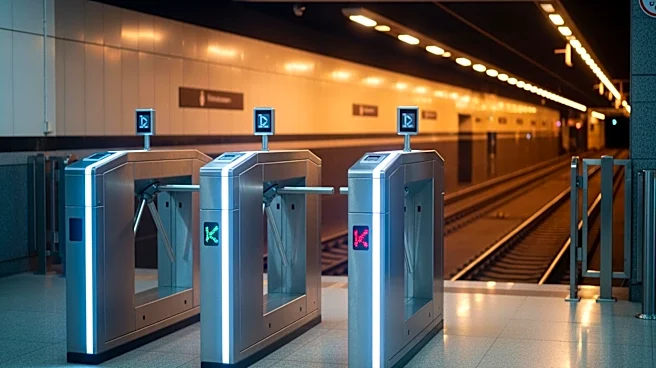
The Port Authority plans to continue its infrastructure improvements, including the installation of new ADA-accessible fare gates to reduce fare evasion. The agency will also phase out SmartLink unlimited pass sales, transitioning to the new TAPP Card system. These changes are expected to be fully implemented by fall 2026. The ongoing upgrades and service enhancements will likely require continued support and patience from commuters as the system adapts to new technologies and operational standards. Stakeholders, including local governments and transit advocacy groups, may monitor the impact of these changes on ridership and regional transit dynamics.