



What's Happening?
The cultivation of hemp as a grain crop is gaining traction among U.S. farmers due to its versatility and relatively low maintenance requirements. Since the 2018 Farm Bill legalized the commercial production of hemp, farmers have been exploring its potential
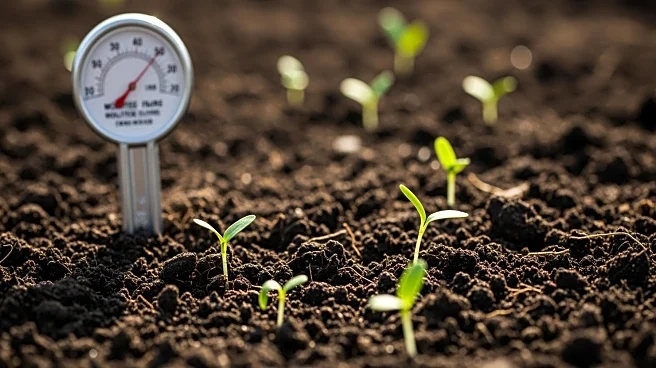
as a high-value crop. Unlike medicinal cannabis, hemp grown for grain contains less than 0.3% THC, making it non-psychoactive and suitable for various industrial and food applications. Hemp grain can be processed into products such as granola, milk, oil, and cosmetics. The crop is particularly appealing because it requires less intensive care compared to medicinal cannabis, needing minimal pruning and maintenance. Farmers can grow hemp in areas with poor soil quality, as it helps prevent erosion by quickly colonizing the land. The crop is typically sown at a rate of 20 to 30 pounds per acre, with seeds planted when the soil temperature reaches at least 55°F. Harvesting occurs between August and October, depending on the climate and sowing time.
Why It's Important?
The increasing interest in hemp grain cultivation reflects a broader trend towards sustainable and diversified agricultural practices in the U.S. Hemp's ability to thrive in less fertile soils and its low maintenance requirements make it an attractive option for farmers looking to diversify their crop portfolios and increase profitability. The crop's versatility in producing food and cosmetic products also opens new market opportunities, potentially boosting local economies and providing farmers with additional revenue streams. Moreover, as hemp cultivation expands, it could contribute to environmental sustainability by reducing soil erosion and improving soil health. The legal framework established by the 2018 Farm Bill has paved the way for hemp to become a significant player in the agricultural sector, offering a viable alternative to traditional crops.
What's Next?
As the hemp grain market continues to grow, further research and development are expected to optimize cultivation practices and improve yield. Studies are underway to determine the best fertilizer needs for hemp grain, with initial recommendations suggesting nitrogen applications of 110 pounds per acre. Farmers will need to stay informed about state regulations, as some states require licenses and periodic inspections to ensure compliance with THC content limits. Additionally, the potential for hemp to be used as animal feed remains a topic of interest, although current laws prohibit this use. Changes in legislation could further expand the market for hemp products, providing new opportunities for farmers and industries involved in hemp processing and distribution.
Beyond the Headlines
The rise of hemp grain cultivation also highlights the ongoing shift in agricultural policies and consumer preferences towards more sustainable and health-conscious products. As consumers become more aware of the environmental impact of traditional farming practices, crops like hemp that offer ecological benefits and diverse applications are likely to gain favor. This shift could lead to broader changes in the agricultural landscape, encouraging innovation and the adoption of more environmentally friendly farming techniques. Additionally, the legal and regulatory environment surrounding hemp will continue to evolve, potentially influencing the crop's role in the U.S. agricultural economy.