





What's Happening?
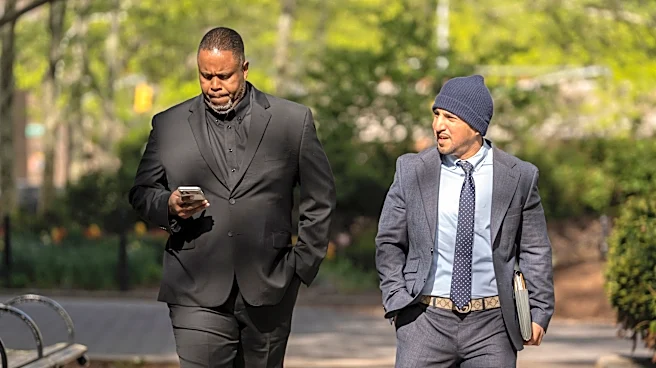
A father and daughter from New Jersey, Erwin Bankowski and Karoline Bankowska, have admitted to orchestrating a counterfeit art scheme that defrauded buyers of at least $2 million. The pair pleaded guilty in a Brooklyn federal court to charges of wire
fraud conspiracy and misrepresenting Native American-produced goods. Their operation involved selling over 200 counterfeit artworks, including imitations of famous artists like Andy Warhol and Banksy, between 2020 and 2025. To enhance the credibility of these fake artworks, they fabricated ownership histories and forged gallery stamps and certificates of authenticity. The duo faces a maximum sentence of 20 years in prison and at least $1.9 million in restitution.
Why It's Important?
This case highlights significant issues within the art market, particularly concerning the verification of artwork authenticity. The fraudulent activities not only deceived buyers but also undermined the market for genuine Native American art, violating the Indian Arts and Crafts Act of 1990. This act protects the cultural heritage and economic interests of Native American artists by prohibiting the sale of falsely attributed Native American art. The case underscores the need for more stringent verification processes in art transactions to protect both consumers and legitimate artists. The involvement of the U.S. Fish and Wildlife Service in the investigation emphasizes the broader cultural and legal implications of such frauds.
What's Next?
Erwin Bankowski and Karoline Bankowska are scheduled for sentencing on August 5. They face potential deportation after serving their sentences, as they are Polish citizens. The case may prompt increased scrutiny and regulatory measures within the art market to prevent similar frauds. Art galleries and auction houses might implement more rigorous authentication processes to safeguard against counterfeit artworks. Additionally, this case could lead to heightened awareness and protection of Native American art, ensuring that authentic works are properly recognized and valued.
Beyond the Headlines
The fraudulent scheme not only caused financial losses but also posed ethical challenges by exploiting cultural heritage for profit. The misrepresentation of Native American art is particularly damaging, as it diminishes the cultural significance and economic value of genuine works. This case may lead to broader discussions about the responsibilities of art dealers and collectors in preserving cultural integrity. It also highlights the importance of legal frameworks like the Indian Arts and Crafts Act in protecting indigenous art and culture from exploitation.