







What's Happening?
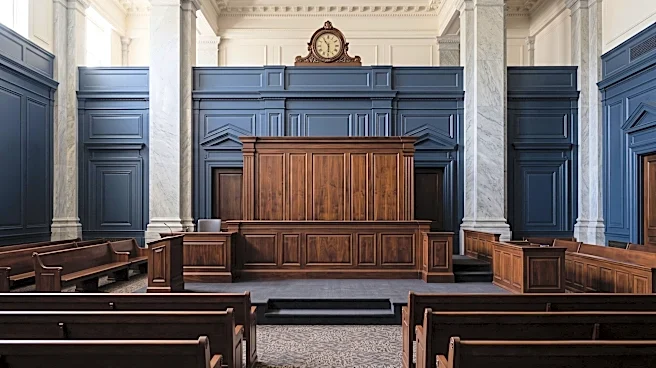
New Orleans’ court races are drawing statewide attention in the midterm elections, particularly due to state legislation that will reduce the number of judgeships in the Orleans Parish criminal court system. All 12 criminal court judges are up for reelection
on November 3, with two incumbents facing challengers who were previously colleagues. However, starting January 1, 2027, three judgeships will be eliminated from the Orleans criminal court bench. This reduction stems from a law enacted in June, which supporters claim aims to cut 'waste' in the Orleans Parish court system, unique for its separate civil and criminal courts. Initially, the bill proposed cutting the three least senior judges, but a conference committee later specifically named District Judges A, E, and J for removal. A recent report by the Metropolitan Crime Commission indicated that Orleans Parish criminal court judges will need to enhance their efficiency post-midterms to manage caseloads effectively with fewer judges.
Why It's Important?
The reduction in judgeships in the Orleans Parish criminal court system carries significant implications for the administration of justice in New Orleans. With three fewer judges, the remaining nine judges will face increased caseloads, potentially impacting the speed and efficiency of legal proceedings. While a recent report noted that judges had been keeping pace with current caseloads and reducing backlogs, nearly a third of felony cases opened in 2024 were pending for over a year, exceeding the American Bar Association's best practice standard of one year. The legislative decision to cut judgeships, framed as a measure to reduce 'waste,' could strain judicial resources and potentially lead to longer case processing times, affecting defendants, victims, and the overall justice system. This situation highlights the ongoing tension between fiscal efficiency and the capacity to deliver timely justice.
What's Next?
The immediate consequence of the midterm elections will be the determination of who fills the remaining judicial seats, with the new structure taking effect on January 1, 2027. The Orleans Parish criminal court judges will be under increased pressure to improve their efficiency to manage the existing and incoming caseloads with a reduced bench. The Metropolitan Crime Commission's report underscores the need for each judge to be more effective in managing their dockets. This downsizing could lead to a reevaluation of court procedures and resource allocation to prevent further backlogs. Additionally, the situation may prompt further legislative discussions or public debate regarding the adequacy of judicial resources in New Orleans, especially if the reduced number of judges leads to noticeable delays in the justice system.
Beyond the Headlines
The legislative decision to cut judgeships in Orleans Parish raises broader questions about the balance between state-level intervention and local judicial autonomy, particularly in a unique court system like New Orleans. The initial proposal to cut judges based on seniority, later altered to target specific districts, suggests underlying political dynamics and potential power shifts within the judiciary. This move could set a precedent for how state legislatures address perceived inefficiencies in local court systems, potentially influencing judicial structures in other parishes or states. Furthermore, the emphasis on efficiency in the justice system, while important, must be carefully balanced against the need for thorough and equitable legal processes. The long-term impact on public trust in the judiciary and access to justice for New Orleans residents will be a critical area to monitor as the reduced court system begins operation.