




What's Happening?
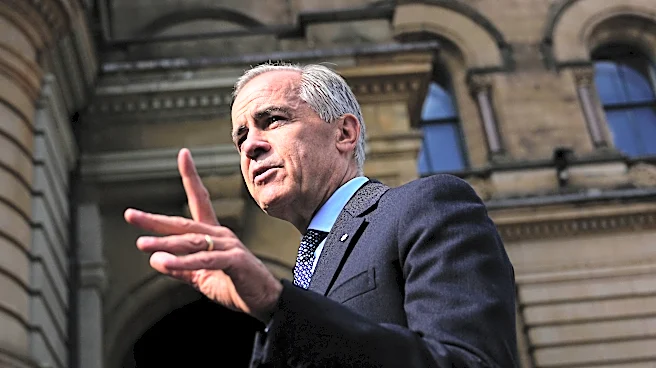
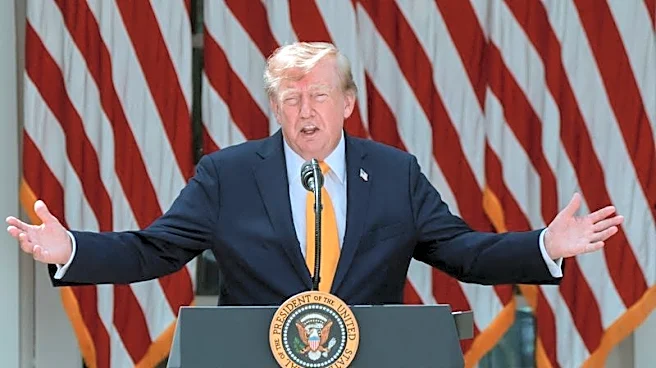
Rep. Don Bacon, a retired Air Force Brigadier General, has voiced strong concerns regarding President Trump's recent actions and their impact on the Republican party. Bacon specifically highlighted what he perceives as a 'chaos' and 'destructive' approach
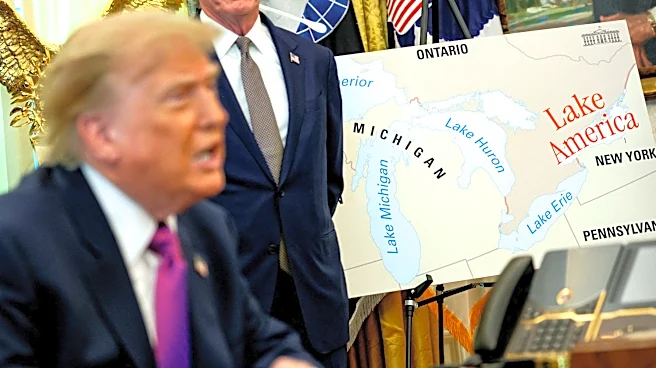
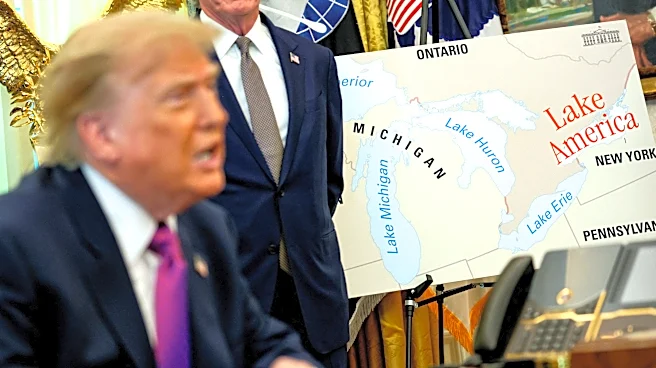
in the administration's policies. He cited the tariff war, the President's focus on issues like Iran rather than the border, and what he called the 'Lake Ontario thing' as examples of unpopular decisions that are detrimental to Republicans. Bacon's comments come as the House returns to Washington after a nearly two-month absence, facing a changing political landscape and a looming deadline to fund the government. While Speaker Johnson defended President Trump's actions, particularly on Iran, other Republicans, including those from cattle-producing states, have also expressed reservations about certain policies, such as beef imports.
Why It's Important?
Rep. Bacon's criticism is significant because it comes from within the Republican party, indicating potential fractures or disagreements regarding President Trump's leadership and policy decisions. His remarks suggest that some Republicans believe the President's actions are not only unpopular with swing voters but also actively harming the party's standing. The mention of the tariff war and the focus on Iran over border issues highlights a divergence in strategic priorities within the party. This internal dissent could impact the party's unity and effectiveness, especially as they navigate critical legislative deadlines and upcoming elections. The concerns raised by Bacon and other Republicans about specific policies, such as beef imports, also underscore the real-world economic and political consequences of the administration's decisions on various sectors and regions across the U.S.
What's Next?
The House of Representatives has already passed a bill to fund the government through December 11, which now goes to President Trump. This action, taken weeks before an election, suggests a desire to avoid a government shutdown. However, the underlying tensions and disagreements within the Republican party regarding President Trump's policies are likely to persist. Lawmakers will continue to confront the controversies ignited by the President, including the escalated Iran situation and trade disputes. The administration may face continued pressure from within its own party to address issues deemed more pressing, such as border security, and to reconsider policies that are perceived as unpopular or harmful to specific industries. The upcoming election will serve as a crucial test of how these internal party dynamics and policy criticisms resonate with the broader electorate.
Beyond the Headlines
Rep. Bacon's comments, particularly his emphasis on the 'chaos' and 'destructive' nature of some of President Trump's actions, point to a deeper concern about the long-term health and public perception of the Republican party. The idea that certain policies are 'self-goals' suggests a strategic misstep that could have lasting implications beyond immediate electoral cycles. The criticism also touches upon the ethical dimension of leadership, with Bacon implicitly advocating for a more measured and unifying approach. The ongoing debate within the Republican party about the President's focus on unpopular issues versus more pressing matters like the border highlights a fundamental tension between populist appeal and traditional conservative governance. This internal struggle could redefine the party's platform and leadership in the years to come, influencing its ability to attract and retain diverse voter bases.