
What's Happening?
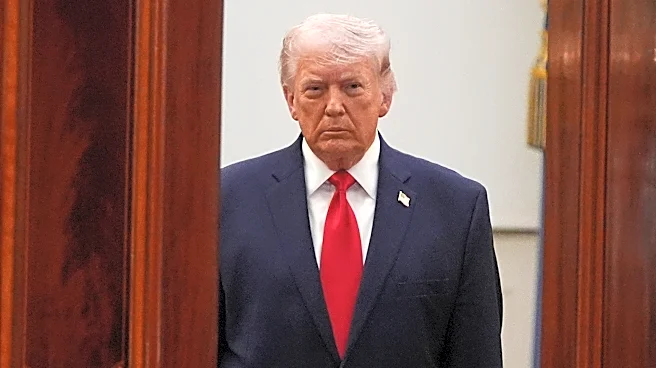
President Donald Trump has proposed a $10 billion fund aimed at beautifying Washington, D.C., as part of the Presidential Capital Stewardship Program. This initiative, overseen by the National Park Service,
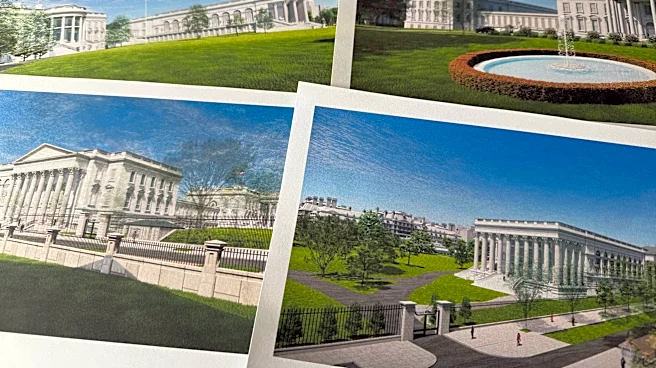
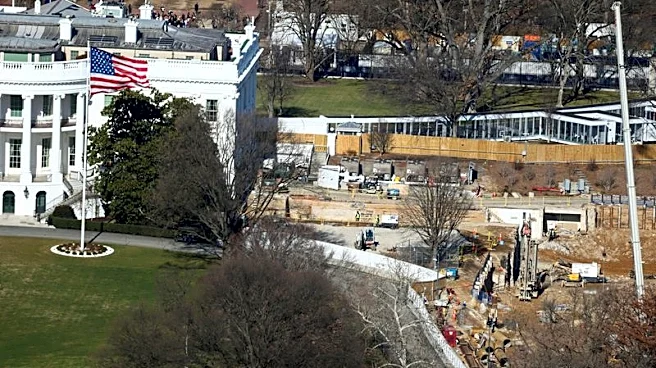
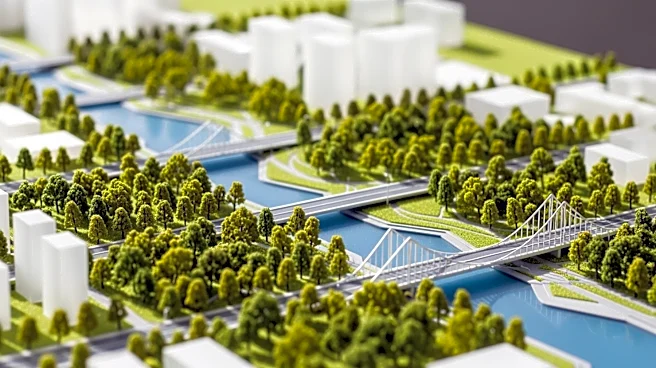
seeks to address long-standing complaints about federal neglect of public spaces and infrastructure in the nation's capital. The fund is intended to support construction and beautification projects, including the renovation of parks and infrastructure showing signs of decay. The administration's budget plan outlines that the fund will be used to improve safety, accessibility, and architectural grandeur, with the goal of enhancing the city's appeal and boosting local economic development and tourism. While some advocates have praised the proposal, others express concern that it might enable President Trump to pursue controversial projects, such as new monuments.
Why It's Important?
The proposed $10 billion fund is significant as it addresses the ongoing issue of federal investment in Washington, D.C.'s public spaces and infrastructure. By improving the city's aesthetic and functional aspects, the initiative could enhance the quality of life for residents and increase tourism, thereby boosting the local economy. However, the proposal also raises concerns about potential overreach in terms of new monuments and changes that may not align with the city's historical character. The plan reflects President Trump's broader agenda to reshape Washington, which has been met with mixed reactions from residents and officials. The outcome of this proposal could set a precedent for how federal funds are allocated for urban development in the capital.
What's Next?
The proposal's future depends on the response from lawmakers and local officials, including those with jurisdiction over the National Park Service's funding. Mayor Muriel E. Bowser and other stakeholders have yet to publicly support or oppose the plan. If approved, the fund could lead to significant changes in Washington's landscape, potentially sparking debates over the preservation of historical sites versus modernization efforts. The administration's next steps will likely involve detailing specific projects and securing congressional approval, which could influence the political landscape and public opinion regarding federal involvement in local urban development.