









What's Happening?
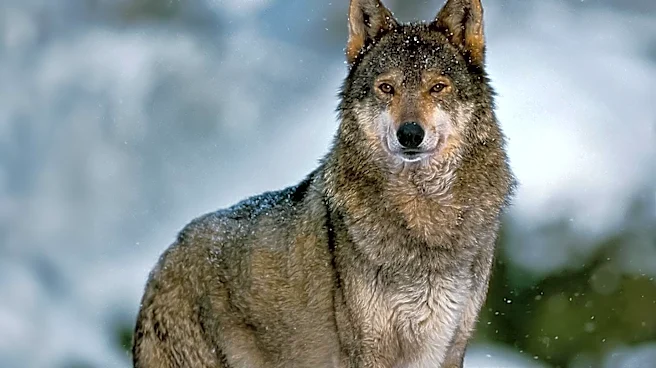
Interior Secretary Doug Burgum is being urged by environmental advocates to maintain federal protections for gray wolves under the Endangered Species Act. The call comes amidst concerns that the recovery of wolf populations is incomplete, with wolves still
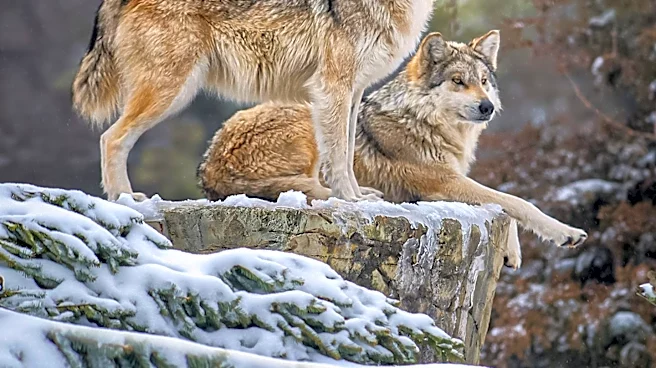
occupying only a fraction of their historical range. Advocates highlight significant threats, particularly in the Northern Rockies, where expanded hunting and trapping have occurred. A notable incident in Wisconsin in 2021 saw over 200 wolves killed in just 60 hours before court intervention. Mexican gray wolves, or lobos, face an even more precarious future with a very small wild population. The removal of federal protections, according to these groups, would pave the way for nationwide wolf hunting and trapping, jeopardizing the future of these animals.
Why It's Important?
The debate over federal wolf protections carries significant implications for wildlife conservation and environmental policy in the U.S. Maintaining Endangered Species Act protections is crucial for the continued recovery of wolf populations, which play a vital role in ecosystem health by regulating prey populations and contributing to biodiversity. The potential for nationwide wolf hunts, if federal protections are lifted, could reverse years of conservation efforts and lead to a decline in wolf numbers across various states. This issue also highlights the ongoing tension between conservation goals and the interests of certain agricultural or hunting communities. The decision by Interior Secretary Burgum will set a precedent for how the U.S. government balances wildlife management with broader ecological responsibilities and could influence future conservation strategies for other recovering species.
What's Next?
Environmental organizations and concerned citizens will likely continue to pressure Interior Secretary Doug Burgum and the Department of the Interior to uphold federal protections for wolves. This advocacy may involve public campaigns, petitions, and direct engagement with policymakers. Any decision to delist wolves or alter their protected status would likely face legal challenges from conservation groups, potentially leading to protracted court battles. Conversely, if protections are maintained, it could lead to further discussions on state-level management plans that align with federal conservation objectives. The outcome will significantly impact wolf populations and the broader landscape of wildlife conservation in the United States.
Beyond the Headlines
The controversy surrounding wolf protections extends beyond immediate population numbers, touching upon deeper ethical and cultural considerations regarding humanity's relationship with nature. Wolves, as apex predators, are often symbols of wilderness and have a complex history with human communities, ranging from reverence to fear. The debate also reflects differing philosophies on wildlife management—whether to prioritize human interests, such as livestock protection or hunting, over the intrinsic value of a species and its ecological role. The long-term implications of this decision could influence public perception of endangered species and the effectiveness of the Endangered Species Act itself, potentially shaping future environmental legislation and conservation funding.