









What's Happening?
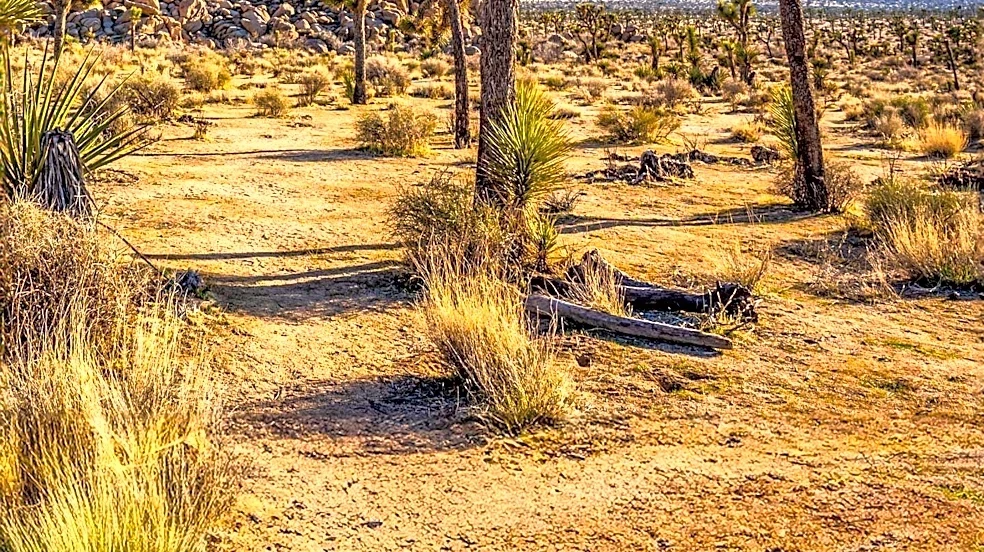
Joshua Tree National Park, located in Southern California approximately 140 miles east of Los Angeles, spans nearly 800,000 acres. The park is a unique transition zone where the higher Mojave Desert meets the lower, hotter Colorado Desert. It is renowned
for its distinctive Joshua trees (Yucca brevifolia), which can grow over 40 feet tall and rely on the yucca moth for pollination. The landscape also features prominent rock piles, formed over 100 million years ago from molten rock that cooled underground into monzogranite. Groundwater erosion and subsequent flash floods shaped these into the rounded boulders seen today. Designated a national monument in 1936 and a national park in 1994, Joshua Tree was also recognized as an International Dark Sky Park in 2017. The park offers various attractions, including the Cholla Cactus Garden and five fan palm oases, and is accessible via California Highway 62 or Interstate 10.
Why It's Important?
Joshua Tree National Park's ecological and geological significance is substantial, representing a critical area for biodiversity and natural history. Its status as a transition zone between two distinct desert ecosystems provides a habitat for a unique array of flora and fauna, including the iconic Joshua tree, which is dependent on a single pollinator. The park's geological formations offer a living laboratory for studying the processes of erosion and rock formation over millions of years. As an International Dark Sky Park, it plays a vital role in preserving natural nightscapes, offering opportunities for astronomy and raising awareness about light pollution. The park's popularity as a tourist destination also contributes to the regional economy, supporting local businesses and communities through visitor spending on accommodation and services. Its protected status ensures the preservation of these natural wonders for future generations, highlighting the importance of national parks in conservation efforts.
What's Next?
Visitors to Joshua Tree National Park can continue to explore its diverse landscapes and unique features. The park is particularly popular during spring and autumn, when temperatures are milder, ranging from 70–85°F (21–29°C) during the day and around 50°F (10°C) at night. Winter days are cool, with nights near or below freezing, while summer highs can approach 100°F (38°C). Weekends from October to May and spring break (March to mid-April) are typically the busiest periods. The park emphasizes the importance of carrying sufficient water, as there are no water sources in the interior. Events like 'Desert Discovery Days' are periodically held, offering educational opportunities for visitors. The ongoing preservation efforts will focus on maintaining the park's ecological balance, protecting its unique species, and managing visitor impact to ensure the long-term health of this significant natural area.
Beyond the Headlines
Beyond its immediate appeal as a natural attraction, Joshua Tree National Park embodies deeper themes of resilience and adaptation in harsh environments. The Joshua tree itself, a species that thrives in challenging desert conditions and forms a symbiotic relationship with the yucca moth, serves as a powerful symbol of ecological interdependence. The park's ancient geological formations, sculpted by millennia of natural forces, offer a profound sense of geological time and the slow, powerful processes that shape our planet. The designation as an International Dark Sky Park also highlights a growing global concern for preserving natural night environments, which are increasingly threatened by urban light pollution. This not only benefits astronomical research and stargazing but also supports nocturnal wildlife that depends on natural darkness. The park's existence encourages a broader appreciation for wilderness conservation and the delicate balance of desert ecosystems.