








What's Happening?
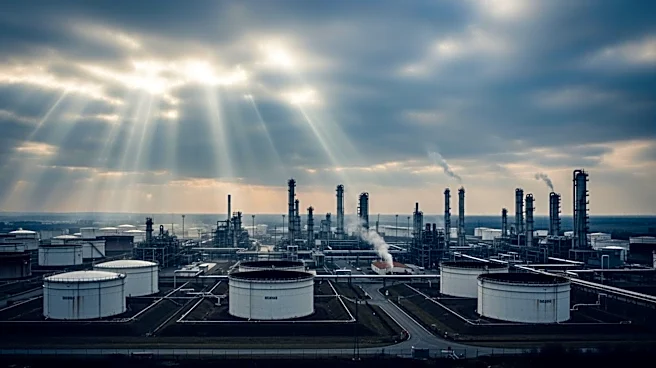
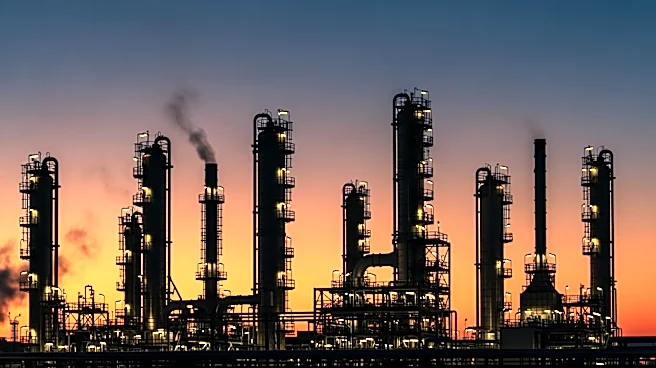
Ukraine has intensified its drone attacks on Russian oil facilities, leading to significant fuel shortages in Crimea and other Russian-occupied territories. Ukrainian President Volodymyr Zelensky has stated that these attacks aim to bring the war 'home
to the Russians' by disrupting their supply lines and reducing Moscow's ability to finance its military operations. The Russian Energy Ministry has acknowledged the crisis, citing fuel supply problems in southern regions, including annexed Ukrainian territories. In response, Moscow-installed authorities in Crimea have restricted fuel sales, allowing residents to purchase only limited amounts using payment vouchers. The situation has led to long lines at gas stations and panic buying in regions like Krasnodar, which borders Crimea.
Why It's Important?
The drone strikes represent a strategic shift in Ukraine's military tactics, targeting the economic infrastructure that supports Russia's war efforts. By disrupting fuel supplies, Ukraine aims to weaken Russian military logistics and create domestic pressure on the Kremlin. The fuel shortages in Crimea and other regions could undermine public support for the war within Russia, as ordinary citizens begin to feel the direct impact of the conflict. This tactic also highlights Ukraine's ability to conduct deep-strike operations, potentially altering the dynamics of the conflict. The situation poses a challenge for Russian authorities, who must now address both military and civilian supply chain disruptions.
What's Next?
As the fuel crisis continues, Russian authorities may need to implement further measures to stabilize the situation, such as increasing security around key infrastructure or finding alternative supply routes. The ongoing drone attacks could lead to heightened military responses from Russia, potentially escalating the conflict. Internationally, the situation may prompt further diplomatic efforts to mediate between the two nations, as the economic and humanitarian impacts of the war become more pronounced. Ukraine's strategy of targeting economic infrastructure could also influence future military tactics in similar conflicts.
Beyond the Headlines
The use of drones to target economic infrastructure raises ethical and legal questions about the conduct of warfare. While effective in disrupting enemy operations, such tactics can also lead to civilian hardships, as seen in the fuel shortages affecting ordinary Russians and Crimeans. This approach may set a precedent for future conflicts, where non-traditional military targets become focal points. Additionally, the situation underscores the importance of energy security and the vulnerabilities of relying on centralized supply chains in conflict zones.