




What's Happening?
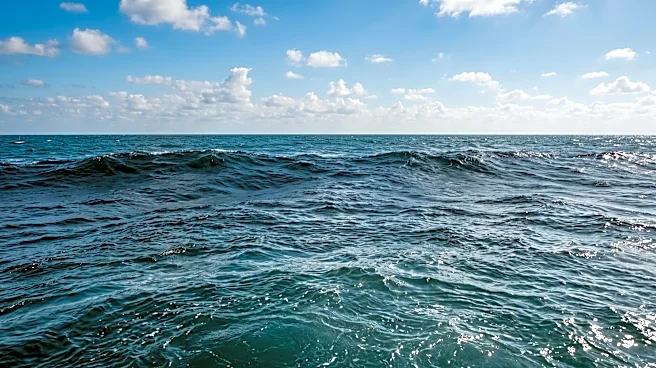
The Pew Fellows Program in Marine Conservation and OCTO are organizing an online workshop on December 3, 2026, to introduce a global protocol for coordinated marine heatwave monitoring. This initiative comes in response to record-high global sea surface
temperatures in August 2026 and forecasts of a very strong 2026-27 El Niño, which increases the likelihood of marine heatwaves across multiple ocean basins. The workshop will feature Amanda Bates of the University of Victoria, who will present a protocol for conducting surveys before and after marine heatwave events, paired with temperature records, to enable cross-location and cross-method comparisons. The goal is to build an international monitoring network ahead of the El Niño, with participation open to researchers, managers, Indigenous knowledge holders, community scientists, and industry, all of whom will retain control of their data. The project aims to investigate how impacts scale with heat exposure, whether populations at the warm edge are most affected, and where ecological refuges exist.
Why It's Important?
This coordinated monitoring effort is crucial for understanding and mitigating the severe impacts of marine heatwaves, which have historically caused mass coral bleaching, kelp forest and seagrass meadow removal, harmful algal blooms, and fisheries closures. For the U.S., with its extensive coastlines and diverse marine ecosystems, the implications are significant. Coastal communities and industries, particularly those involved in fishing, aquaculture, and tourism, are highly vulnerable to these events. Improved monitoring and data collection can provide early warnings, allowing for better preparedness and more effective management strategies to protect marine resources and the livelihoods dependent on them. The insights gained from this international network can inform U.S. policy on marine conservation, climate change adaptation, and disaster preparedness, potentially reducing economic losses and ecological damage from future marine heatwaves.
What's Next?
Following the online workshop, the organizers plan to establish an international monitoring network to implement the proposed protocol for the 2026-27 El Niño. An in-person workshop is scheduled for Perth, Australia, in 2027, to further coordinate efforts and share findings. A dedicated special issue of the journal Biological Conservation will also be published to disseminate research outcomes. These steps aim to build a robust, collaborative framework for marine heatwave research and response. For the U.S., this means opportunities for its scientific community and marine resource managers to actively participate in and benefit from this global initiative, potentially leading to enhanced predictive capabilities and more targeted conservation interventions for its own coastal waters and marine territories. The data collected will be vital for refining climate models and developing more resilient marine ecosystems.
Beyond the Headlines
The initiative to coordinate marine heatwave monitoring highlights a broader shift towards proactive, rather than reactive, environmental management. By emphasizing 'before-and-after' monitoring, the project underscores the value of foresight and preparedness in the face of escalating climate impacts. This approach has ethical implications, as it acknowledges a collective responsibility to protect vulnerable ecosystems and the communities that rely on them. Legally, the data collected could strengthen arguments for stricter environmental regulations and international agreements on climate action. Culturally, the involvement of Indigenous knowledge holders alongside scientists and industry professionals represents a valuable integration of diverse perspectives, recognizing the importance of traditional ecological knowledge in understanding and responding to environmental challenges. This collaborative model could serve as a blueprint for addressing other complex environmental issues, fostering a more inclusive and effective approach to global conservation.