







What's Happening?
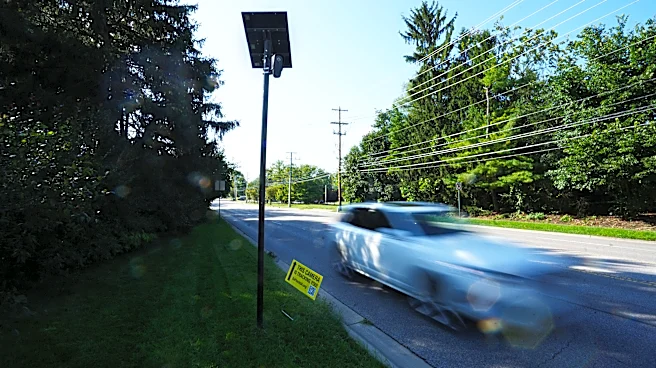
A dozen Wisconsin agencies have begun to pull or scrutinize their contracts with Flock Safety, a company providing license plate reader cameras, following revelations that Flock retains and markets camera data beyond what agencies understood. Racine County
Sheriff Christopher Schmaling ordered all Flock cameras in his county removed after learning the company was building a separate dataset from his cameras' images, retaining it for up to five years, and marketing it to other government and private customers. Similar actions were taken by agencies in Fond du Lac County and the Winnebago County Sheriff’s Office, while Kenosha and Sheboygan have contract terminations pending council approval. Wausau and Marathon County's contracts contain similar provisions allowing Flock to anonymize and retain vehicle descriptions, locations, and timestamps permanently for use in other products, despite public statements from local police indicating data is deleted after 30 days.
Why It's Important?
This situation raises significant concerns about data privacy, transparency, and public trust in law enforcement technology. The discrepancy between what the public and local officials were told about data retention and what the contracts actually allow Flock Safety to do with the collected data is a major issue. If agencies are unaware of or misrepresent the terms of these agreements, it undermines public confidence in how their data is being used and protected. The ability of a private company to permanently retain and market anonymized vehicle movement data, even if stripped of plate numbers, has broad implications for surveillance and privacy rights. This could lead to increased public demand for greater oversight, clearer contractual language, and more transparent communication from law enforcement agencies regarding their use of surveillance technologies.
What's Next?
Wausau and Marathon County face immediate decisions regarding their Flock Safety contracts. Wausau's five-year contract, which runs until December 2028, lacks an early termination clause for convenience, making it difficult to exit without penalty unless the City Council opts not to appropriate funds for the program in the 2027 budget. Marathon County, however, retains an exit clause. Other Wisconsin agencies, including Kenosha and Sheboygan, will have their contract terminations reviewed by their respective councils. The dispute in Racine County, where attorneys are testing the 'shall not sell' language against Flock's data practices, could set a precedent for how similar contract clauses are interpreted. This situation will likely prompt a broader review of surveillance technology contracts across the state and potentially lead to new legislative efforts to regulate data retention and usage by third-party vendors.
Beyond the Headlines
The controversy surrounding Flock Safety's data practices highlights a critical tension between public safety and individual privacy in the digital age. The collection and retention of vast amounts of vehicle movement data, even if anonymized, can contribute to a pervasive surveillance infrastructure. The use of such data for 'Traffic Analytics' and marketing to commercial property owners, as advertised by Flock, blurs the lines between law enforcement tools and commercial data exploitation. This raises ethical questions about the scope of data collection by private entities partnering with government agencies and the potential for mission creep. The incident could spark a national conversation about the need for stronger regulatory frameworks governing how private companies handle data collected on behalf of public entities, ensuring that privacy protections are robust and transparently communicated to the public.