


What's Happening?
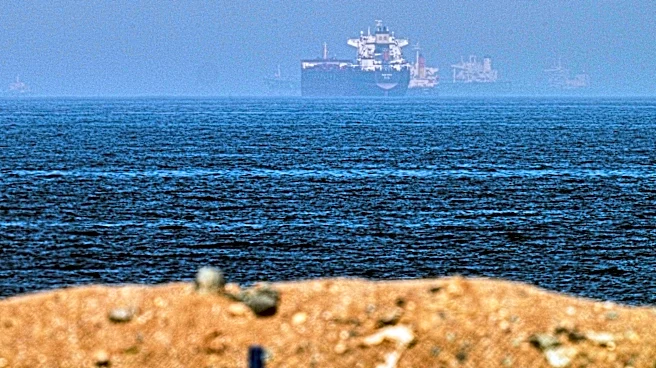
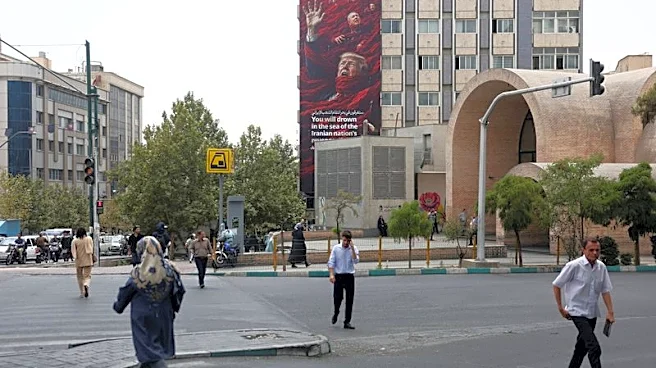
President Trump is encountering difficulties in negotiations with Iran, as tensions in the Gulf persist. Despite efforts to de-escalate the situation, Iran perceives Trump's position as weakened, given his decision to halt military strikes in favor of
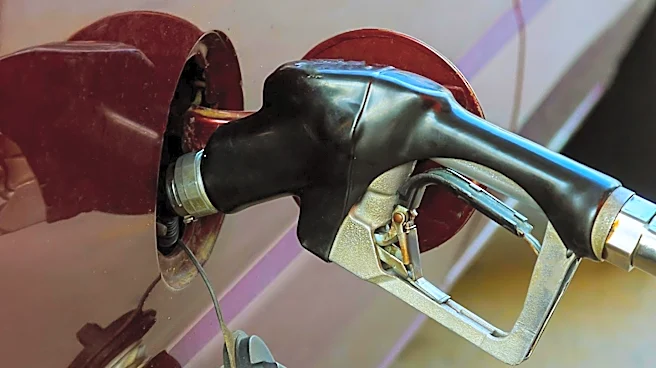
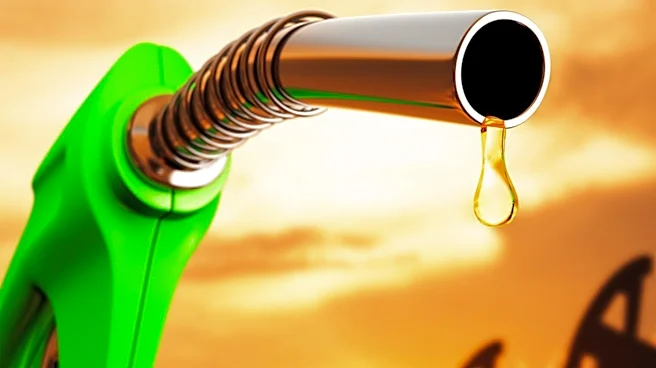
diplomatic talks. The ongoing conflict has led to increased fuel prices and voter fatigue in the U.S., complicating Trump's political landscape ahead of the midterm elections. The negotiations aim to reopen the Strait of Hormuz and end Iranian attacks, but Iran's strong position and demands for sanctions relief pose significant hurdles.
Why It's Important?
The situation highlights the complexities of international diplomacy and the challenges of negotiating from a perceived position of weakness. For the U.S., the outcome of these negotiations could impact global oil markets, regional stability, and domestic political dynamics. The stakes are high, as failure to reach an agreement could lead to further escalation, affecting global trade and security. This scenario underscores the importance of strategic diplomacy and the potential consequences of geopolitical conflicts on the U.S. economy and international relations.