


What's Happening?
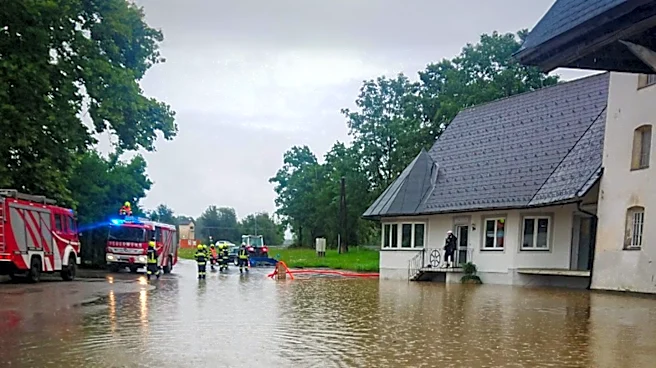
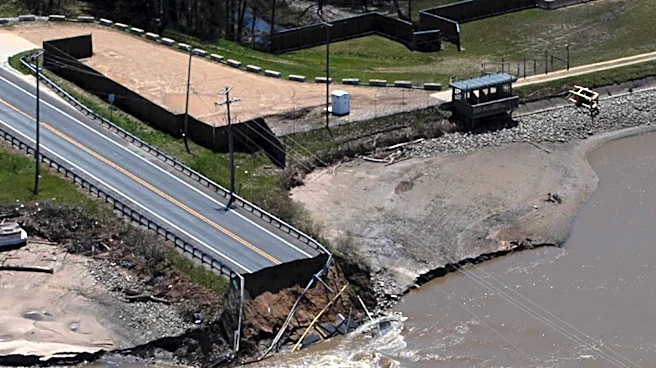
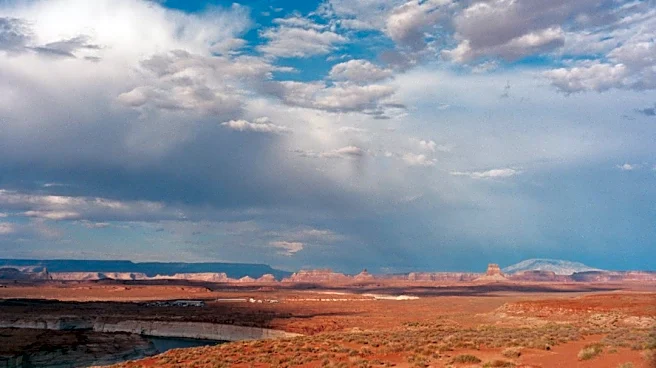
The U.S. Southwest is facing significant cleanup efforts as floodwaters recede after nearly two weeks of heavy rainfall, leaving behind widespread mud and damaged infrastructure. In Pagosa Springs, Colorado, the San Juan River caused severe flooding,
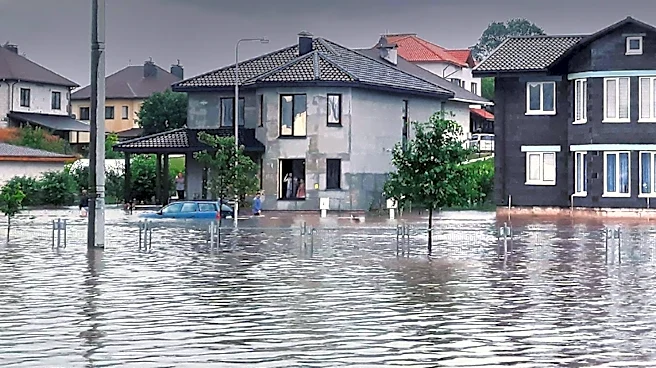
leading to the closure of the downtown area for debris removal. Walkways and bridges have collapsed or sustained heavy damage. In Durango, Colorado, approximately 60 miles west, homes are surrounded by feet of mud, with some basements inundated by several feet of water from overflowing creeks. Willow Bradner, a resident of Durango, described her basement as a 'soup bowl' after nearly five feet of water entered her home. The region has experienced over 20 trillion gallons of rain in the past two weeks, exacerbating conditions on already saturated ground. One death has been confirmed due to floodwaters, with another suspected to be weather-related. Some areas, like Shiprock and Farmington in New Mexico, saw rivers crest lower than anticipated, offering some relief, but major rivers remain above flood stage.
Why It's Important?
The extensive flooding and subsequent mudslides in the U.S. Southwest have significant immediate and long-term impacts on residents, local economies, and infrastructure. The widespread damage to homes and businesses in areas like Pagosa Springs and Durango will necessitate costly and prolonged cleanup and rebuilding efforts, potentially displacing many residents and causing substantial financial strain. For tourist-dependent towns like Pagosa Springs, the damage to infrastructure, including hotels and hot springs, could severely affect the local economy for weeks or months. The disruption also extended to civic processes, with some communities in Colorado and Utah needing alternative Election Day voting plans due to the flooding. This event underscores the vulnerability of communities to extreme weather events and highlights the need for robust disaster preparedness and recovery strategies, especially in regions prone to such natural disasters.
What's Next?
As floodwaters continue to recede, the immediate focus will be on extensive cleanup operations, including clearing mud and debris from roads and properties. Local authorities will assess the full extent of structural damage to homes, businesses, and public infrastructure, which will inform the scope and timeline of repair and rebuilding efforts. Emergency declarations may remain in effect to facilitate federal and state aid for affected communities. Residents will begin the arduous process of salvaging belongings and initiating insurance claims. Long-term, there may be discussions about improving flood mitigation infrastructure, updating flood zone maps, and enhancing early warning systems to better protect communities from future extreme weather events. The economic recovery of affected towns, particularly those reliant on tourism, will be a critical next phase.
Beyond the Headlines
The severe flooding in the Southwest highlights broader issues related to climate patterns and urban planning. The sheer volume of rainfall, described as 10 months of Niagara Falls' flow, points to the increasing intensity of weather events, which could be exacerbated by climate change. This event also exposes potential gaps in flood preparedness and insurance coverage, as exemplified by residents like Willow Bradner who were told they were not in a flood zone but experienced catastrophic damage. This raises questions about the accuracy of current flood risk assessments and the accessibility of adequate flood insurance. Furthermore, the disruption to voting processes during an election underscores how natural disasters can impact democratic participation, necessitating resilient contingency plans for critical civic functions. The long-term recovery will not only be about physical rebuilding but also about community resilience and adaptation to a changing climate.