





What's Happening?
The development of medical devices is a complex process that necessitates adherence to stringent design requirements and regulatory standards. Various types of medical devices, including imaging equipment, diagnostic tools, drug delivery systems, surgical
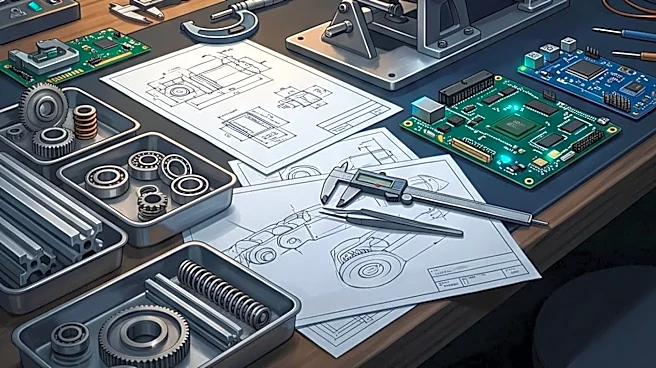
instruments, implantable devices, rehabilitation aids, wearable monitors, and laboratory equipment, each have specific design considerations. Key design requirements span image quality, measurement accuracy, precise operation, biocompatibility, portability, and contamination control, depending on the device's intended function. Beyond functional aspects, engineers must consider mechanical design, material selection, manufacturability, tolerances, ergonomics, cleaning and sterilization protocols, and reliability. International standards such as ISO 13485 for quality management systems, ISO 14971 for risk management, and IEC 60601-1 for medical electrical equipment are crucial in guiding the development process. These standards help establish controlled processes, identify hazards, evaluate risks, and ensure basic safety and performance. The regulatory landscape, particularly in the U.S. with FDA controls, further dictates requirements and premarket pathways, including 510(k) clearance, De Novo classification, and Premarket Approval (PMA), which vary based on device classification.
Why It's Important?
The rigorous design and regulatory framework for medical devices is paramount for ensuring patient safety and the efficacy of healthcare technologies in the U.S. and globally. Adherence to standards like ISO 13485 and ISO 14971 minimizes risks associated with device malfunction, contamination, or improper use, directly impacting patient outcomes. For U.S. industries, this means that medical device manufacturers must invest significantly in research, development, and quality assurance to meet these high benchmarks. Companies that successfully navigate these complexities gain a competitive edge by producing reliable and compliant products. Conversely, failure to meet these standards can lead to costly recalls, legal liabilities, and severe damage to a company's reputation. The emphasis on biocompatibility for implantable devices, for instance, directly protects patients from adverse reactions, while accurate dosing in drug delivery systems prevents medication errors. The detailed design considerations ensure that devices are not only functional but also user-friendly and durable, which is critical for healthcare professionals and patients alike. This structured approach fosters innovation within a safe and controlled environment, ultimately advancing medical care.
What's Next?
The medical device industry will likely continue to see evolving regulatory landscapes and technological advancements. Manufacturers will need to stay abreast of updates to international standards and national regulations, such as those from the FDA, to ensure ongoing compliance. There will be a continuous focus on integrating new technologies, like artificial intelligence and advanced materials, into medical devices, which will necessitate new guidelines and testing protocols. The demand for more portable, user-friendly, and interconnected devices will drive further innovation in design and engineering. Companies will also need to enhance their post-market surveillance strategies to monitor device performance and safety in real-world settings, adapting to feedback and emerging data. The role of Equipment Distribution Technicians, who ensure proper cleaning, transportation, and verification of medical devices, will remain critical in maintaining operational efficiency and infection control within healthcare facilities. As medical technology progresses, the emphasis on robust design, comprehensive testing, and strict regulatory adherence will only intensify to safeguard public health.
Beyond the Headlines
The meticulous process of medical device development extends beyond immediate functionality, touching upon profound ethical and societal implications. The emphasis on patient safety and reliability underscores a fundamental ethical commitment to 'do no harm' in healthcare. The design choices, from material selection to user interface, directly influence accessibility and equity in healthcare, as poorly designed devices can exacerbate disparities for certain patient populations. The long-term shifts triggered by these developments include a growing reliance on technology in medical diagnosis and treatment, which necessitates continuous education for healthcare professionals and robust cybersecurity measures to protect patient data and device integrity. The push for innovation, while crucial, must be balanced with careful consideration of the societal impact, ensuring that technological advancements are inclusive and do not create new barriers to care. The lifecycle approach to device management, from concept to end-of-life, also highlights environmental responsibilities, prompting considerations for sustainable materials and disposal methods. Ultimately, the evolution of medical devices reflects a broader societal negotiation between technological progress, ethical imperatives, and public well-being.