






What's Happening?
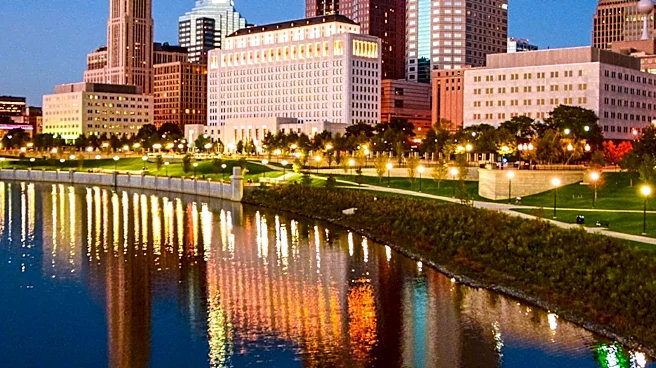
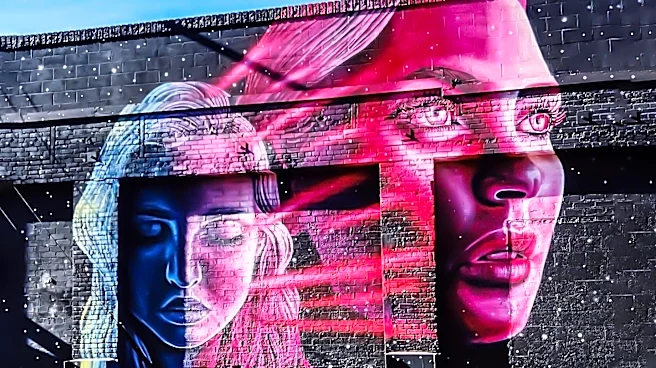
Downtown Cleveland has recently unveiled two new art installations, significantly enhancing the city's urban landscape. One prominent addition is an 11,000-square-foot mural located on the walls of West 3rd and St. Clair, which pays tribute to rock and roll
legends Chuck Berry, Elvis Presley, Wanda Jackson, and Aretha Franklin. This project, spearheaded by the nonprofit Graffiti Heart and its president and founder Stamy Paul, has been in development for nearly four years. The mural was created by international artist Kobra, known for over 3,000 murals worldwide, with this being his 60th in the United States. Kobra spent approximately 10 days outlining the artwork before arriving in the U.S. and another 10 days painting it with the assistance of two local apprentices. The National Endowment for the Arts and Graffiti Heart were major funders, with Sherwin-Williams providing paint and materials, and BrandSafeway assisting with safety. Additionally, an asphalt art project titled 'Signal Flow,' designed by local artist Ryan Jeanke, debuted in the Gateway District at Huron and East 9th, fully funded by a $100,000 Bloomberg Philanthropies grant. This asphalt art project has also transformed the area into protected bike lanes.
Why It's Important?
These new public art installations are important for Cleveland as they contribute to urban revitalization and cultural enrichment. The rock and roll mural not only beautifies the downtown area but also reinforces Cleveland's identity as a city deeply connected to music history, particularly through its association with the Rock and Roll Hall of Fame. This connection can boost tourism and local pride, drawing visitors who are interested in both art and music heritage. The involvement of international artist Kobra elevates Cleveland's profile in the global art scene. The asphalt art project, 'Signal Flow,' goes beyond aesthetics by improving urban infrastructure; it reclaims underutilized street space and enhances pedestrian and cyclist safety by creating protected bike lanes. Both projects demonstrate a commitment to transforming ordinary urban spaces into memorable and functional areas, fostering a sense of community and making downtown more appealing for residents and visitors alike. The funding from organizations like the National Endowment for the Arts and Bloomberg Philanthropies highlights the broader recognition of public art's value in urban development.
What's Next?
Both Graffiti Heart and Downtown Cleveland Inc. view these installations as the beginning of a larger initiative to introduce more public art throughout the city. Stamy Paul, president and founder of Graffiti Heart, anticipates that the rock and roll mural will remain a significant landmark for decades, serving as a catalyst for future art projects. Ian Meadows, social media and project manager at Downtown Cleveland Inc., echoed this sentiment, emphasizing the organization's commitment to expanding public art to connect people and places, aiming to make downtown a more vibrant neighborhood. The success and positive reception of these initial projects are expected to encourage further investment and development in public art. Future plans may involve identifying additional underutilized spaces for artistic transformation, securing more grants and partnerships, and engaging local artists and communities in the creation process. The ongoing impact and community response to these murals will likely shape the direction and scale of Cleveland's future public art endeavors.
Beyond the Headlines
The installation of these murals in Cleveland reflects a growing trend in urban planning where public art is leveraged not just for aesthetic appeal but as a strategic tool for community development and economic revitalization. Beyond their visual impact, these projects foster a deeper connection between residents and their urban environment, creating shared cultural landmarks that can define a city's character. The rock and roll mural, by celebrating iconic figures, taps into collective memory and cultural heritage, potentially sparking intergenerational dialogue and appreciation for music history. The asphalt art project, by integrating art with infrastructure, subtly influences urban behavior, promoting safer and more enjoyable public spaces. These initiatives also highlight the power of collaboration between non-profits, government entities, and private companies in achieving large-scale urban improvements. The use of local apprentices in the mural's creation also provides valuable skill development and engagement opportunities for the community, ensuring that the benefits of these projects extend beyond the artwork itself to human capital development.