




What's Happening?
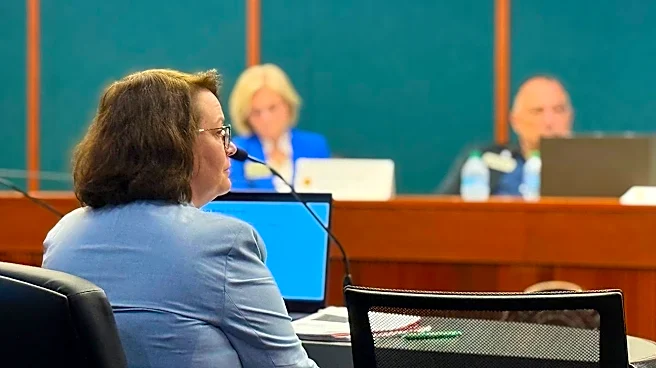
Franklin County has ended its contract with RISE Together Innovation Institute, a nonprofit established by county commissioners in 2020 to address poverty and structural racism. The decision, confirmed by county spokesperson Molly Thrasher, means the nonprofit's
five employees are expected to cease work by August 21. The county plans to absorb some of RISE's operations and contracts. County Administrator Kenneth Wilson stated that a primary reason for the termination was the nonprofit's inability to independently raise funds from donors, despite receiving approximately $4.9 million from the county over the years. Franklin County Commissioner Kevin Boyce, who initially proposed the RISE Together initiative, expressed mixed feelings about the organization's results, noting that its formation coincided with the COVID-19 pandemic and George Floyd protests, which he believes slowed its progress. RISE Together had organized several summits and initiated a few pilot programs for universal basic income, in addition to publishing annual reports on poverty in the county since 2023.
Why It's Important?
The termination of the contract with RISE Together Innovation Institute signifies a shift in Franklin County's approach to poverty reduction and structural racism. The county's decision to absorb some of the nonprofit's functions suggests a move towards internalizing these efforts, potentially aiming for greater direct control and accountability. This development is important for the community as it impacts the continuity and strategy of poverty alleviation programs, including universal basic income pilot initiatives. The county's emphasis on the nonprofit's fundraising challenges highlights the increasing scrutiny on the financial sustainability and effectiveness of publicly funded organizations. For residents, particularly those in low-income communities, the change could mean a re-evaluation of how support services are delivered and accessed. The county's intention to save money by ending the contract and integrating services into existing county offices could lead to more streamlined operations or, conversely, a disruption in ongoing programs if not managed effectively. This situation also reflects broader discussions about the role of government versus nonprofit organizations in addressing complex social issues.
What's Next?
Following the termination of the contract, Franklin County will proceed with absorbing some of RISE Together's operations and contracts, with the nonprofit's employees concluding their work by August 21. County Administrator Kenneth Wilson anticipates that this move will result in cost savings for the county. Commissioner Kevin Boyce indicated that the county is not abandoning its poverty reduction strategy but rather intends to "repurpose the drive and the conversation" to address the issue internally. This suggests that while the organizational structure has changed, the county remains committed to tackling poverty, albeit through different means. The future will likely involve the county integrating the lessons learned from RISE Together's pilot programs, including those related to universal basic income, into its own departmental functions. Stakeholders, including community leaders and residents, will be observing how effectively the county transitions these services and whether the new internal approach yields more tangible and impactful results in addressing poverty and structural racism within Franklin County.
Beyond the Headlines
The dissolution of RISE Together Innovation Institute and Franklin County's decision to internalize its functions raise deeper questions about the efficacy and accountability of public-private partnerships in addressing systemic social issues. The county's critique of the nonprofit's fundraising capabilities points to a fundamental challenge faced by many organizations reliant on external funding, even when supported by government contracts. This situation could prompt a re-evaluation of how such initiatives are structured, funded, and overseen to ensure long-term sustainability and measurable impact. Furthermore, the shift from an external nonprofit to internal county operations could lead to a more integrated approach to social services, potentially reducing fragmentation and improving coordination. However, it also places a greater burden on county resources and expertise. The experience of RISE Together, particularly its efforts in universal basic income pilot programs, will likely inform future policy discussions on innovative poverty reduction strategies, highlighting both the potential and the practical challenges of implementing such initiatives at a local level.