




What's Happening?
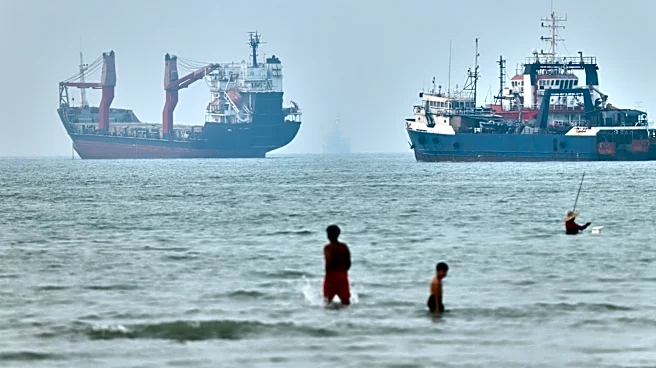
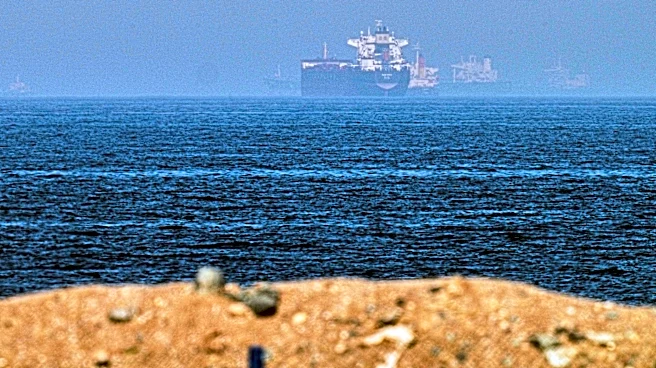
President Trump has suggested that negotiations regarding the Strait of Hormuz are making progress, with Iran and Oman reportedly reaching an agreement on a proposed shipping route. This development is seen as a significant step towards reopening the vital
waterway for global energy trade. According to Esmail Baghaei, the spokesperson for the Iranian Foreign Ministry, the discussions between Tehran and Muscat have been professional and are nearing a final declaration. The agreement would grant Iran control over ships navigating through the strait, marking a major concession to Tehran. This comes amid ongoing regional tensions, including a reported attack by Houthi rebels on a Saudi oil tanker in the Red Sea.
Why It's Important?
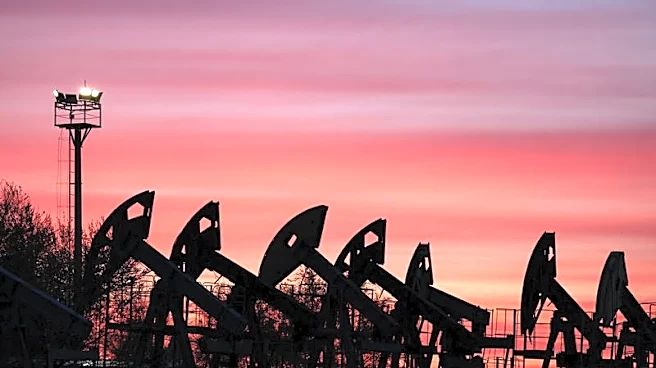
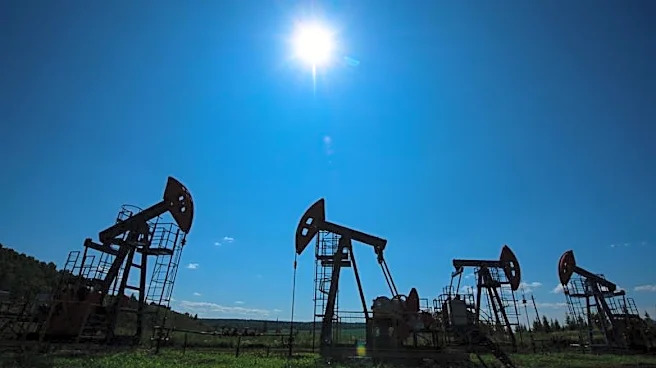
The Strait of Hormuz is a critical chokepoint for the global oil supply, with a significant portion of the world's petroleum passing through it. Any disruption in this area can have substantial implications for global energy markets and prices. The potential agreement between Iran and Oman could stabilize the region and ensure the continued flow of oil, which is crucial for global economic stability. However, the involvement of Iran in controlling the passage could raise concerns among other nations, particularly those wary of Iran's influence in the region. The situation also highlights the complex geopolitical dynamics in the Middle East, where multiple conflicts and alliances intersect.
What's Next?
If the agreement is finalized, it could lead to a reduction in regional tensions and a more stable environment for international shipping. However, the success of the agreement will depend on the cooperation of other regional powers and the absence of interference from external states. The international community, particularly countries reliant on Middle Eastern oil, will be closely monitoring the situation. Any further developments could influence diplomatic relations and economic policies related to energy security.