



What's Happening?
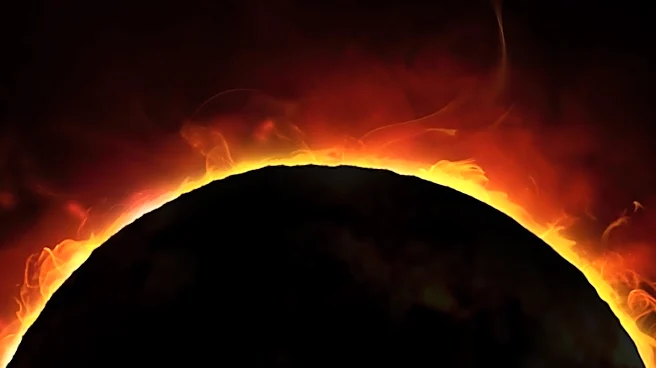
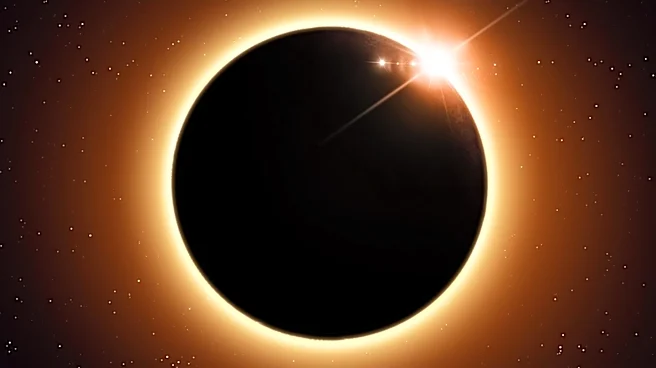
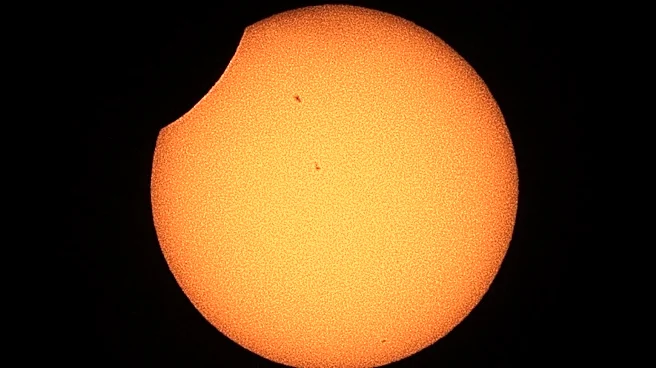
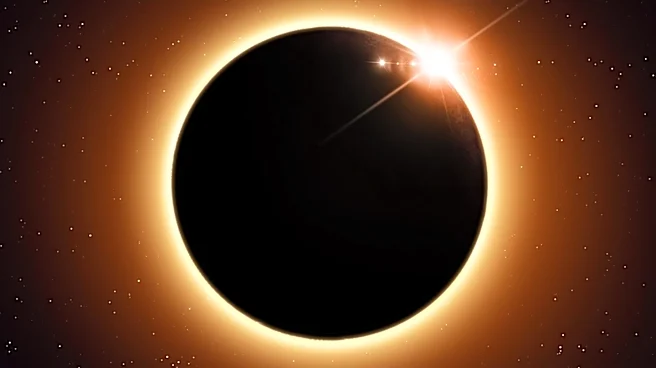
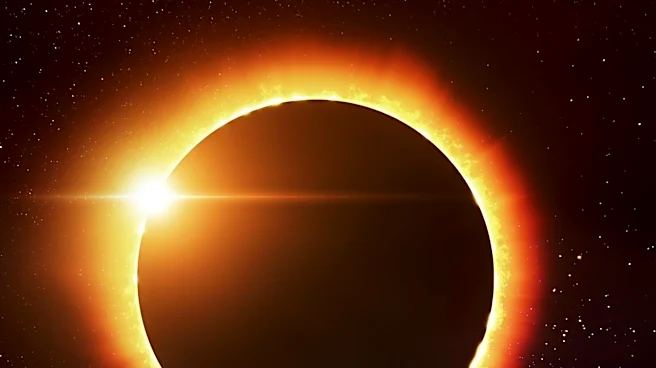
NASA has outlined several significant skywatching events for August 2026, including a total solar eclipse, the Perseid meteor shower, and a partial lunar eclipse. On August 12, a total solar eclipse will be visible across northern Russia, Greenland, Iceland,
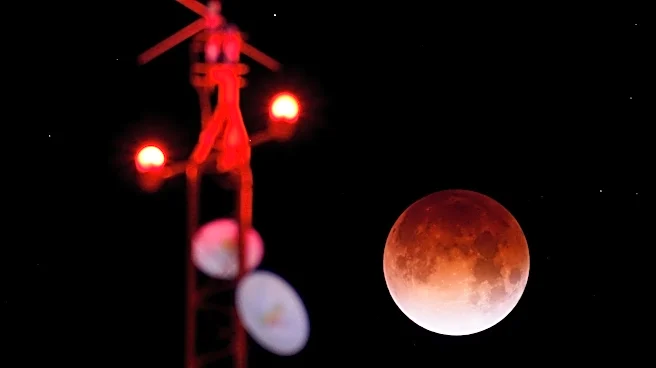
and northern Spain, with a partial eclipse observable in parts of the United States from Alaska to North Carolina. The Perseid meteor shower will peak on the night of August 12 into the early morning of August 13, offering a spectacular view under dark skies due to the New Moon. Additionally, Venus will reach its greatest eastern elongation from August 14-16, appearing bright in the western sky after sunset. The month will conclude with a partial lunar eclipse on August 27-28, visible from much of North and South America and parts of Europe and Africa.
Why It's Important?
These celestial events provide unique opportunities for public engagement and education in astronomy. The solar eclipse, although partial in the U.S., offers a chance for people to experience a rare astronomical phenomenon, promoting interest in science and space exploration. The Perseid meteor shower is one of the most popular annual meteor showers, attracting amateur astronomers and skywatchers. Venus's visibility enhances public interest in planetary observation. These events can inspire educational programs and community gatherings, fostering a greater appreciation for astronomy and encouraging scientific curiosity among the public.
What's Next?
Skywatchers are advised to prepare for these events by acquiring certified eclipse glasses for safe solar viewing and finding dark locations for optimal meteor shower observation. Astronomy clubs and educational institutions may organize viewing events and workshops to maximize public participation and learning. NASA and other scientific organizations will likely provide updates and resources to assist in safe and informative viewing experiences. The partial lunar eclipse later in the month will also be an opportunity for educational outreach, emphasizing the differences between solar and lunar eclipses.
Beyond the Headlines
These skywatching events highlight the importance of preserving dark skies, which are increasingly threatened by light pollution. Efforts to reduce light pollution can enhance the visibility of such celestial phenomena, benefiting both amateur and professional astronomers. Additionally, these events underscore the need for public education on safe viewing practices, particularly for solar eclipses, to prevent eye damage. The cultural significance of these events, often celebrated in various traditions, can also be explored, enriching the public's understanding of astronomy's role in human history.