






What's Happening?
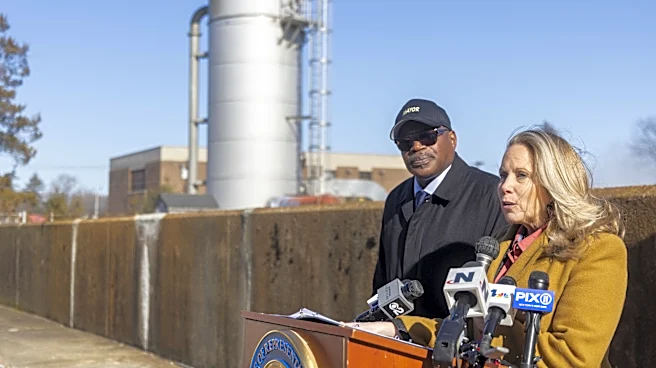
U.S. Representative Bonnie Watson Coleman, alongside state Senator Andrew Zwicker and Assemblywoman Tennille McCoy, has urged the New Jersey Department of Environmental Protection (NJDEP) to reconsider an air permit for a large data center under construction
in South Brunswick. The facility, the 341,000-square-foot Sentinel Princeton Nurseries data center, is located on the former Princeton Nurseries property. Lawmakers and local officials are raising concerns about the potential environmental and public health impacts of the data center's diesel-powered backup generators. The draft permit covers 12 generators, each rated at 3,620 kilowatts, but questions have been raised about reports suggesting the completed facility could include as many as 20 generators. The lawmakers' joint letter to NJDEP Commissioner Ed Potosnak on November 2 requested that the permit not be approved in its current form, emphasizing the need for a more thorough environmental review, particularly regarding potential emissions during extended operations and emergencies. The public comment period for the permit closed on November 9.
Why It's Important?
This issue highlights a growing concern across New Jersey regarding the environmental and public health impacts of data centers, particularly their reliance on diesel generators for backup power. The debate underscores the tension between technological infrastructure development and community well-being. If the NJDEP approves the permit without addressing the raised concerns, it could set a precedent for less stringent environmental reviews for similar projects, potentially leading to increased air pollution in residential areas. Conversely, a decision to withhold or modify the permit could signal a stronger commitment to environmental protection and public health, influencing future data center developments in the state. The involvement of U.S. Representative Watson Coleman also elevates this local issue to a federal level, as she has introduced federal legislation, the Data Center Community Impact Act, to study the broader effects of data centers on the environment, public health, and local economies, especially in vulnerable communities.
What's Next?
The NJDEP is currently reviewing the comments submitted during the public hearing and written comment period. A decision date has not yet been announced. Lawmakers are pushing for the department to recalculate potential emissions based on at least 500 hours of operation per generator or provide a justification for a lower figure. They also seek transparency regarding the health risk assessment calculations and an evaluation of cleaner backup power alternatives, such as battery storage. At the state level, Senate Bill 4659, sponsored by Senator Zwicker, proposes a temporary prohibition on new data center construction while the environmental, infrastructure, and financial impacts are studied. Additionally, Assembly Bill A3966, which would direct NJDEP to study the impact of large-scale data centers on water supplies, has passed the state Assembly and awaits further legislative action. These legislative efforts indicate a broader movement to regulate data center development in New Jersey.
Beyond the Headlines
The controversy surrounding the South Brunswick data center's air permit extends beyond immediate environmental concerns, touching upon broader issues of local governance, community involvement, and the long-term sustainability of technological growth. The fact that local land-use approvals were granted in 2025, with construction already underway, while the air permit for generators remains under review, highlights a potential disconnect between different regulatory stages. This situation raises questions about the sequencing of approvals and whether environmental impact assessments should be more comprehensively integrated into the initial planning phases of such large-scale projects. The calls for evaluating cleaner backup power alternatives also reflect a growing societal demand for sustainable infrastructure solutions, pushing industries to adopt more environmentally friendly technologies. The federal legislation introduced by Representative Watson Coleman suggests a recognition that the impacts of data centers are not merely local but have national implications, particularly concerning environmental justice and equitable development.