


What's Happening?
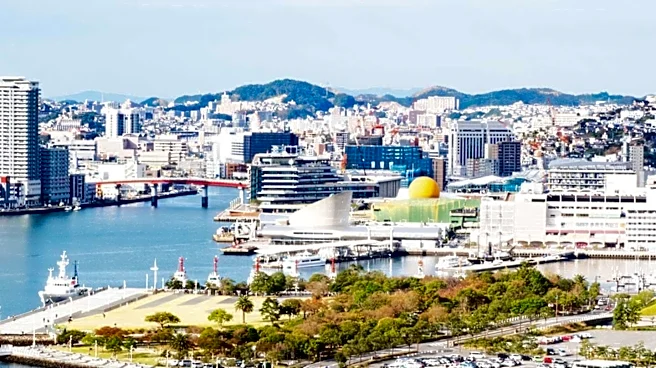
The U.S. city of St. Paul and Japan's Nagasaki established a sister-city partnership in 1955. This relationship was formed to promote reconciliation following the atomic bombing of Nagasaki in 1945. Modern town twinning, or sister-city relationships,
emerged after World War II as a means to rebuild trust and foster peace between nations. These formal friendship agreements between cities in different countries often support school exchanges, cultural events, and civic visits, though some relationships may become inactive over time. The St. Paul-Nagasaki partnership is an example of cities forming links due to shared histories and a desire to move past conflict. This initiative highlights a broader trend where cities connect based on various factors, including historical ties, similar roles as capitals or ports, or communities with roots in both locations. The enduring nature of this particular partnership underscores a long-term commitment to peace and understanding between the two cities.
Why It's Important?
The sister-city relationship between St. Paul and Nagasaki is important as it exemplifies a sustained effort in international diplomacy and peace-building at a local level. Such partnerships contribute to fostering mutual understanding and cultural exchange, which can help mitigate historical animosities and prevent future conflicts. For the U.S., these relationships demonstrate a commitment to reconciliation and global cooperation, reinforcing its role in promoting peace through non-governmental channels. The longevity of the St. Paul-Nagasaki bond, established just a decade after a devastating wartime event, serves as a powerful symbol of healing and the potential for former adversaries to build constructive relationships. It also provides a framework for educational and cultural programs that can educate younger generations about the consequences of war and the importance of peace, thereby influencing public opinion and policy towards international collaboration.
What's Next?
The St. Paul-Nagasaki sister-city partnership is expected to continue its mission of promoting reconciliation and cultural exchange. Future activities will likely involve ongoing educational programs, such as student exchanges, and cultural events designed to deepen understanding between the two communities. These initiatives aim to ensure that the lessons of the past, particularly the impact of the atomic bombing, are not forgotten and that efforts towards peace are sustained. The partnership may also explore new avenues for collaboration, potentially in areas like disaster preparedness or environmental sustainability, leveraging shared experiences and expertise. The continued engagement of local officials and community members will be crucial in maintaining the vitality and relevance of this long-standing relationship, ensuring its legacy of peace endures for future generations.
Beyond the Headlines
The St. Paul-Nagasaki sister-city relationship transcends typical diplomatic ties, delving into the profound ethical and cultural dimensions of post-conflict reconciliation. It represents a conscious decision to move beyond the trauma of war by building bridges of understanding and empathy between populations. This partnership implicitly acknowledges the human cost of conflict and seeks to transform historical pain into a foundation for lasting peace. The focus on cultural exchange and education is not merely about sharing traditions but about fostering a shared humanity that can resist the narratives of division. It highlights the power of local communities to drive international healing, demonstrating that reconciliation is a continuous process requiring active engagement and a commitment to shared values. This long-term endeavor serves as a model for other regions grappling with historical conflicts, suggesting that genuine peace is built not just through treaties, but through sustained human connection and mutual respect.