





What's Happening?
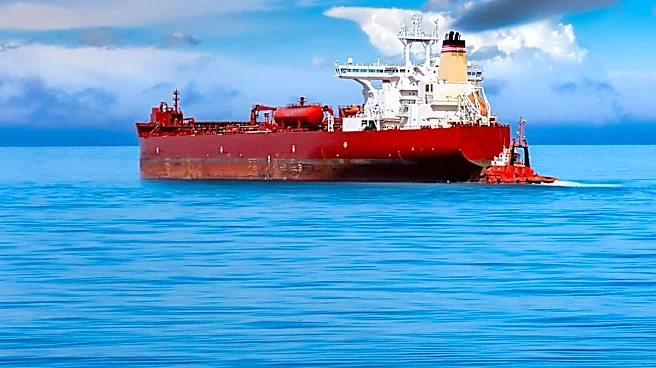
Rijkswaterstaat has initiated the research and development phase of the Power2Tow project, aimed at creating near zero-emission Emergency Response Towing Vessels (ERTVs) for the North Sea. This initiative involves three consortia tasked with developing
innovative solutions for these vessels and the necessary charging infrastructure both offshore and onshore. The project is part of the Rijksrederij Fleet Renewal programme, which seeks to modernize the national fleet sustainably. The consortia, including Kustkracht, Multraship Ocean Towage B.V., and Smit Terminals Europe B.V., will work on proposals that will be tested and evaluated. Ultimately, one consortium will be selected to implement the project, which includes the construction and operation of the vessels. These ERTVs will primarily operate on electric power, with sustainable e-methanol used for emergency operations, marking a significant step towards decarbonizing the maritime sector.
Why It's Important?
The Power2Tow project represents a critical advancement in maritime safety and environmental sustainability. By developing zero-emission towing vessels, Rijkswaterstaat aims to protect offshore wind farms from potential collisions, thereby safeguarding significant renewable energy investments. This initiative aligns with broader efforts to decarbonize the maritime industry, reducing reliance on fossil fuels and minimizing environmental impact. The project also supports the strategic interests of the maritime manufacturing industry, emphasizing innovation and sustainability in government procurement processes. The successful implementation of this project could set a precedent for similar initiatives globally, promoting cleaner maritime operations and enhancing safety in busy sea lanes.
What's Next?
As the research and development phase progresses, the consortia will refine their proposals, with one eventually being selected to carry out the project. This selection will lead to the construction and operational deployment of the ERTVs, expected to significantly enhance emergency response capabilities in the North Sea. The project will also involve the development of comprehensive charging infrastructure, both offshore and onshore, to support the vessels' operations. Stakeholders, including the Ministry of Infrastructure and Water Management and the Ministry of Economic Affairs and Climate Policy, will continue to collaborate to ensure the project's success and alignment with national maritime and environmental goals.