








What's Happening?
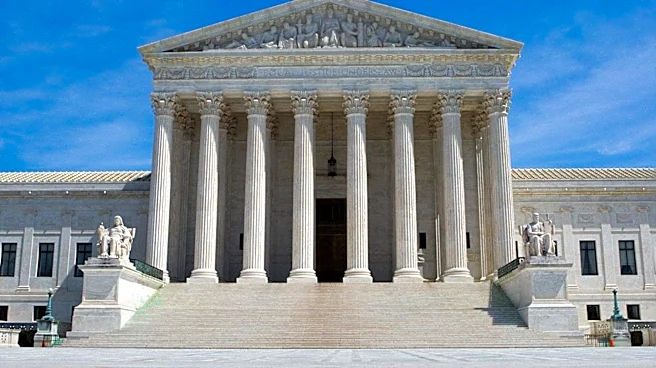
The U.S. Supreme Court is currently examining the applicability of the 1988 Video Privacy Protection Act (VPPA) to contemporary online video consumption and data sharing practices. The case involves Michael Salazar, who sued Paramount Global, alleging
that its website, 24-7-Sports, shared his identity and viewing history with Facebook without his consent, violating the VPPA. Salazar had subscribed to a free email newsletter and watched videos on the site while logged into Facebook. Lower courts dismissed the case, arguing the law was intended for video rental services, not every person watching online videos. Paramount's lawyer, Paul Clement, contended that the law was designed to protect video consumers and not to address the complexities of modern internet advertising and pixel technology. Conversely, Salazar's lawyer, Joshua Hammack, argued that tracking pixels link personally identifiable information to online activity, which falls under the statute's protection.
Why It's Important?
This case holds significant implications for digital privacy and the operations of internet companies in the U.S. A ruling in favor of Salazar could broaden the scope of the VPPA, potentially subjecting a vast array of websites that host videos and share user data to its regulations. This could force companies to re-evaluate their data collection and sharing practices, particularly concerning targeted advertising, which many internet services rely on for revenue. It could also empower consumers with greater control over their online viewing data. Conversely, a narrow interpretation of the VPPA could leave a gap in privacy protections for online video consumers, as the law was enacted before the advent of widespread internet usage and sophisticated tracking technologies. The decision will shape how privacy laws from a pre-digital era are adapted, or not, to the realities of the internet economy.
What's Next?
The Supreme Court's decision will determine whether the Video Privacy Protection Act, originally designed for video rental stores, can be applied to modern digital platforms. If the Court rules that the VPPA applies to online video services, companies like Paramount Global and others that embed tracking pixels and share user data may face increased litigation and be compelled to implement stricter consent mechanisms or cease certain data-sharing practices. Justice Elena Kagan suggested two solutions: obtaining explicit user consent or stopping the sale of private information. The outcome could also prompt Congress to consider drafting new, updated privacy legislation specifically tailored to the digital age, addressing the complexities of online data sharing and consumer privacy in a comprehensive manner. The ruling will set a precedent for how existing privacy laws are interpreted in the context of rapidly evolving technology.
Beyond the Headlines
The debate surrounding the VPPA's application to online video content highlights a broader societal challenge: how to safeguard individual privacy in an increasingly data-driven world. The case underscores the tension between consumer expectations of privacy and the business models of internet companies that often rely on monetizing user data through targeted advertising. It raises ethical questions about the extent to which individuals' online activities should be tracked and shared without explicit, informed consent. Furthermore, the discussion about 'tracking pixels' and their ability to build detailed profiles of online activity brings to light the often-invisible mechanisms of data collection. The Court's decision could either reinforce the need for proactive legislative updates to address technological advancements or demonstrate the judiciary's role in reinterpreting existing laws to fit new contexts, ultimately influencing the future of digital rights and corporate responsibility in the U.S.