




What's Happening?
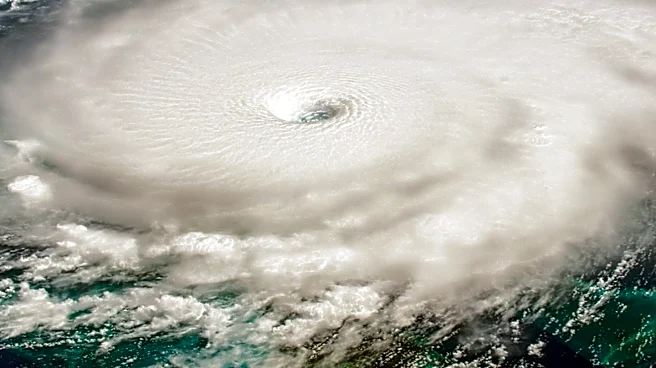
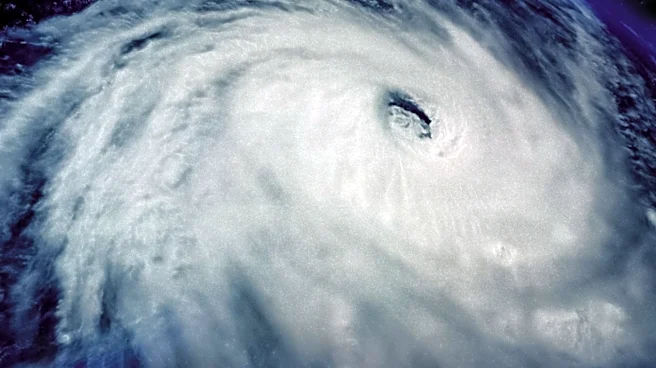
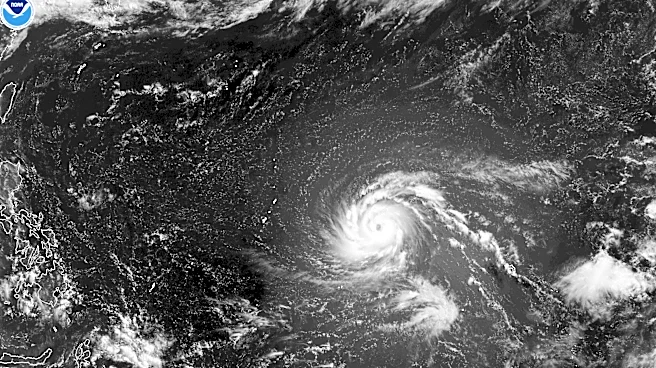
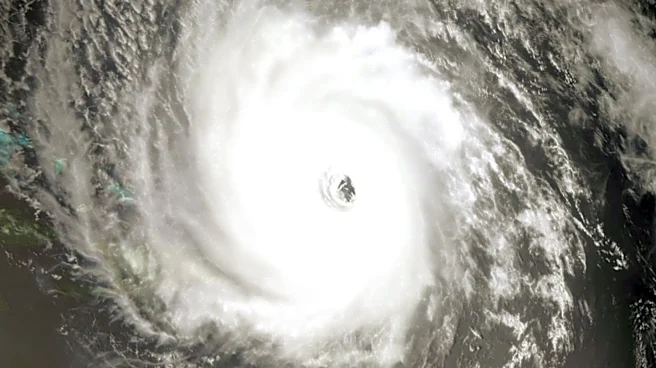
Emergency evacuations are underway in Guam and the Northern Mariana Islands as Super Typhoon Bavi approaches the U.S. Pacific territories. The U.S. National Weather Service (NWS) has forecasted that Bavi will make landfall early Monday morning, bringing
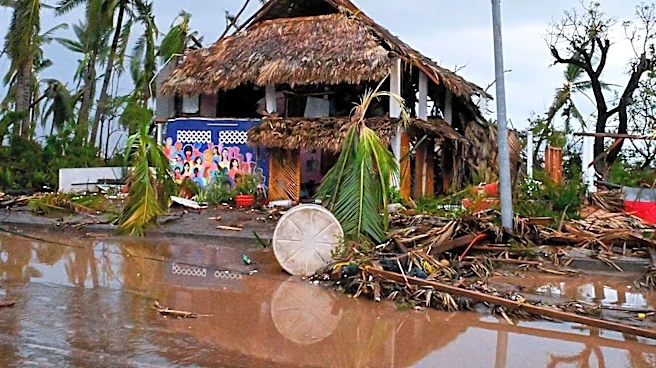
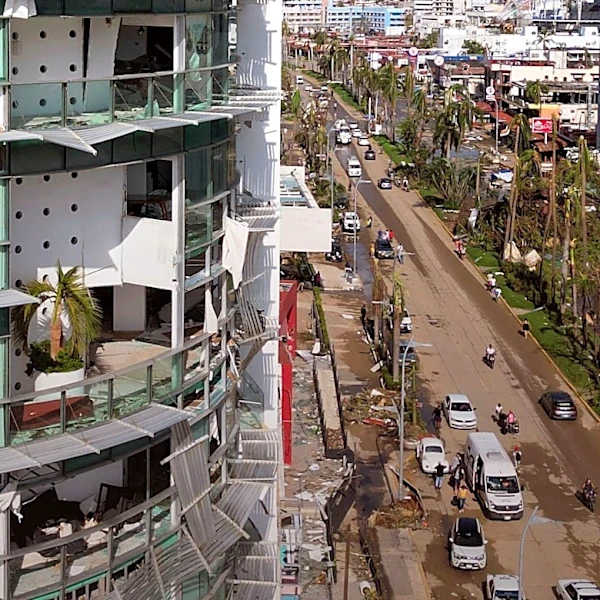
winds of up to 257 km/h (160 mph). The storm is expected to cause catastrophic damage, with significant flooding from torrential rains and waves potentially reaching nearly 11 meters (35 feet) high. The western Pacific region is prone to tropical cyclones, and while storms of this magnitude are rare for the U.S. islands, scientists attribute the increasing frequency of powerful typhoons to climate change. Bavi is anticipated to pass directly over Guam and the Northern Mariana Islands by Monday afternoon, with destructive conditions expected for eight to ten hours before or after the storm's center arrives. Local officials have urged residents to evacuate if directed, especially if their homes are vulnerable to high winds or flooding.
Why It's Important?
The approach of Super Typhoon Bavi underscores the growing impact of climate change on weather patterns, particularly in regions prone to tropical cyclones. The potential for catastrophic damage poses significant risks to the infrastructure and safety of residents in Guam and the Northern Mariana Islands. The storm's impact could disrupt daily life, damage property, and strain emergency services. The increasing frequency and intensity of such storms highlight the urgent need for climate adaptation and resilience measures in vulnerable regions. The situation also emphasizes the importance of timely and effective emergency response systems to protect lives and minimize damage.
What's Next?
As Super Typhoon Bavi approaches, local authorities in Guam and the Northern Mariana Islands are focused on ensuring the safety of residents through evacuations and emergency preparations. The island's civil defense office has opened evacuation centers, although capacity is limited. The aftermath of the storm will likely involve assessing damage, restoring services, and providing aid to affected communities. The response to Bavi could influence future disaster preparedness strategies and policies in the region, as well as contribute to broader discussions on climate change adaptation.