


What's Happening?
The Pentagon is reportedly considering redirecting military aid originally intended for Ukraine to the Middle East due to strained supplies of critical munitions. This potential shift involves air defense interceptor missiles purchased through a NATO
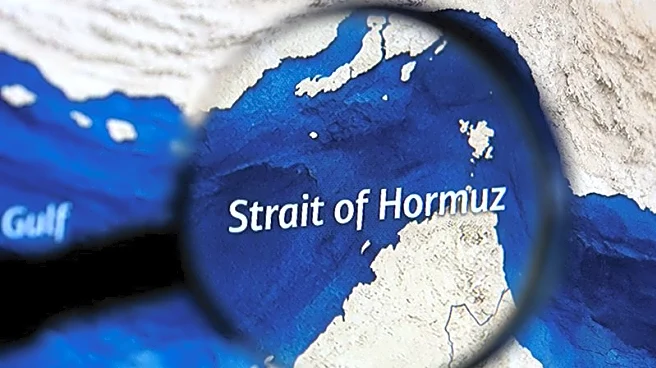
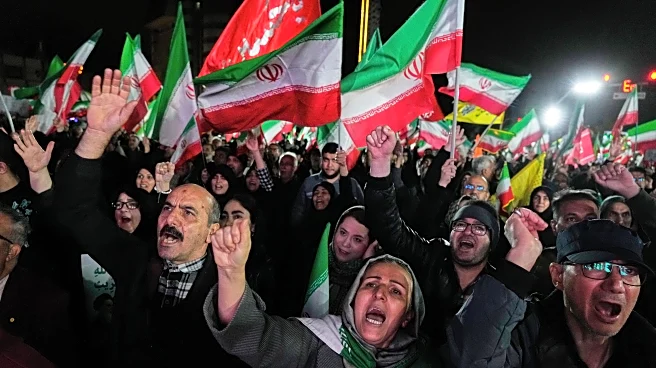
initiative, where partner countries buy U.S. arms for Kyiv. The consideration comes as U.S. operations in the Middle East intensify, with Admiral Brad Cooper, the Central Command chief, stating that the U.S. has hit over 10,000 targets inside Iran. Despite these developments, NATO spokesperson Allison Hart confirmed that weapons funded through the Prioritised Ukraine Requirements List (PURL) continue to be delivered to Ukraine. The Pentagon has assured that U.S. forces and allies will have the necessary resources to fight and win.
Why It's Important?
The potential redirection of military aid from Ukraine to the Middle East highlights the strategic challenges faced by the U.S. in balancing its commitments across different regions. This decision could impact Ukraine's defense capabilities, as it relies heavily on U.S. and NATO support to counter ongoing threats. The shift also underscores the increasing focus on the Middle East, particularly in limiting Iran's power projection. For NATO allies, this move may necessitate increased weapons production to meet demands. The situation reflects broader geopolitical dynamics, where resource allocation can influence regional stability and international relations.
What's Next?
If the Pentagon proceeds with redirecting military aid, it may prompt NATO countries to reassess their contributions to Ukraine's defense. Increased weapons production could be a necessary step to ensure continued support for Ukraine. Additionally, the U.S. may face diplomatic challenges in maintaining its commitments to both Ukraine and Middle Eastern allies. The decision could lead to discussions among NATO members regarding strategic priorities and resource allocation. Monitoring the Pentagon's final decision and subsequent actions will be crucial in understanding the future of U.S. military strategy.
Beyond the Headlines
The potential redirection of military aid raises ethical questions about the prioritization of conflicts and the implications for affected regions. It highlights the complexities of international military support and the need for transparent decision-making processes. The situation may also influence public opinion on U.S. foreign policy, particularly regarding its role in global security. Long-term, this development could affect NATO's cohesion and the perception of U.S. reliability as a defense partner.