


What's Happening?
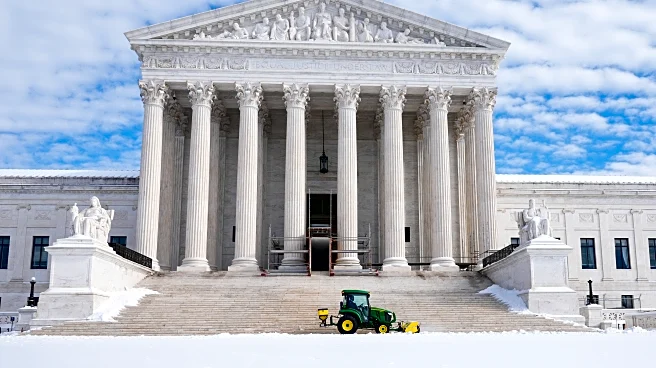
The U.S. Supreme Court is set to determine whether freight brokers can be held liable under state common law for negligently selecting motor carriers in interstate trucking. This decision hinges on the interpretation of the Federal Aviation Administration
Authorization Act of 1994 (F4A), which generally prevents states from regulating a motor carrier’s 'price, route, or service' but allows for certain state safety regulations. The issue has divided four federal appeals courts, with two ruling in favor of pre-emption and two against, prompting the Supreme Court's review. The outcome will clarify whether negligent-selection claims against brokers can proceed in state courts, potentially affecting liability, industry practices, and public safety.
Why It's Important?
The Supreme Court's decision will have significant implications for the trucking industry, particularly concerning legal exposure and operational practices. If the Court rules in favor of allowing state lawsuits, brokers could face increased litigation and liability for failing to properly vet carriers, which may lead to stricter vetting processes, higher insurance costs, and changes in contract terms. Conversely, a ruling for pre-emption could reduce brokers' litigation risks but raise concerns about accountability and oversight. This decision is crucial for logistics stakeholders, including brokers, shippers, carriers, insurers, and safety professionals, as it will influence risk management, safety programs, and technology adoption within the industry.
What's Next?
The Supreme Court's ruling will establish a binding national precedent, clarifying the legal landscape for freight brokers. Depending on the outcome, brokers may need to adjust their due diligence practices, insurance coverage, and contractual agreements to mitigate potential liabilities. The decision could also prompt regulatory and industry shifts, as stakeholders reassess risk models and invest in enhanced safety and verification tools. The ruling is expected to have a ripple effect across the freight ecosystem, impacting pricing, compliance, and safety investments.