





What's Happening?
The Department of Justice (DOJ) is engaged in legal battles with 30 states and the District of Columbia over access to voter registration data, which includes sensitive personal information such as driver's licenses and Social Security numbers. The DOJ argues
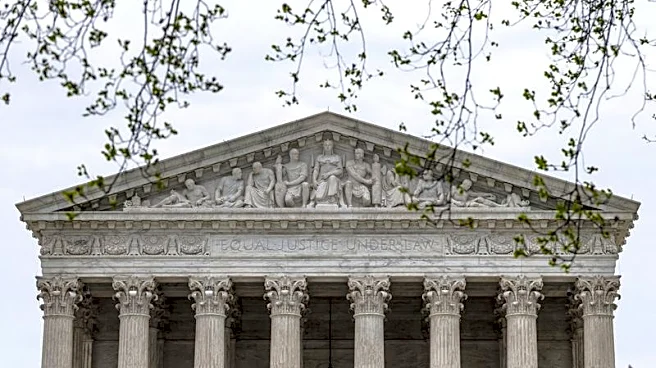
that this data is necessary to prevent voter fraud, citing federal laws like the Civil Rights Act and the Help America Vote Act. However, states and civil rights groups contend that the federal government has no role in managing elections, which are constitutionally the responsibility of the states. The controversy has sparked concerns about privacy and the potential for identity theft.
Why It's Important?
This legal conflict highlights the ongoing debate over election integrity and voter privacy in the United States. The outcome of these cases could significantly impact how voter registration data is managed and accessed, potentially affecting millions of voters. If the DOJ prevails, it could lead to increased federal oversight of state-managed voter rolls, raising concerns about privacy and the potential misuse of personal data. Conversely, if the states succeed, it could reinforce the autonomy of state governments in election management, but may also limit federal efforts to address voter fraud.
What's Next?
Several federal appeals are scheduled for May, where the DOJ will argue its case for accessing voter registration data. The outcomes of these appeals could set important legal precedents regarding the balance of power between state and federal authorities in election management. Additionally, the ongoing legal battles may prompt legislative efforts to clarify the roles and responsibilities of state and federal governments in maintaining election integrity. The decisions made in these cases will likely influence future policies and practices related to voter registration and data privacy.