




What's Happening?
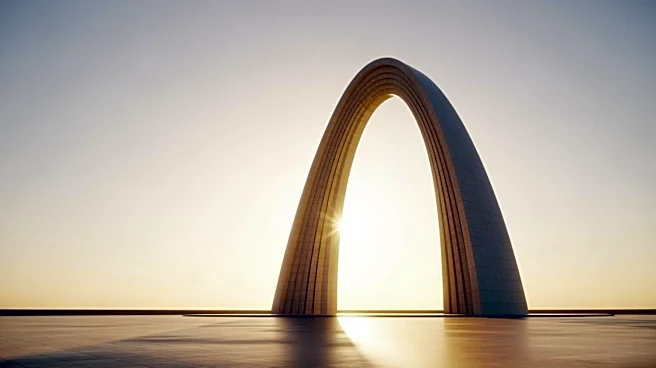
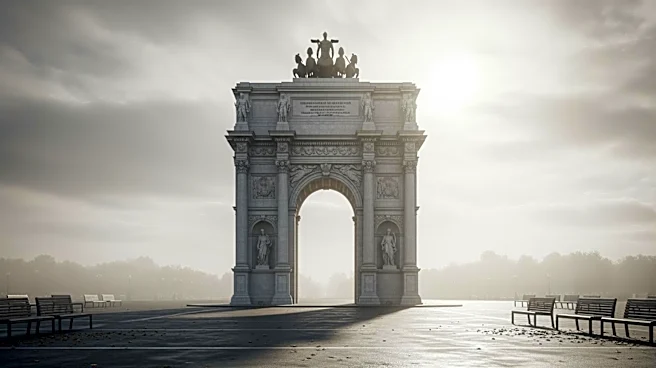
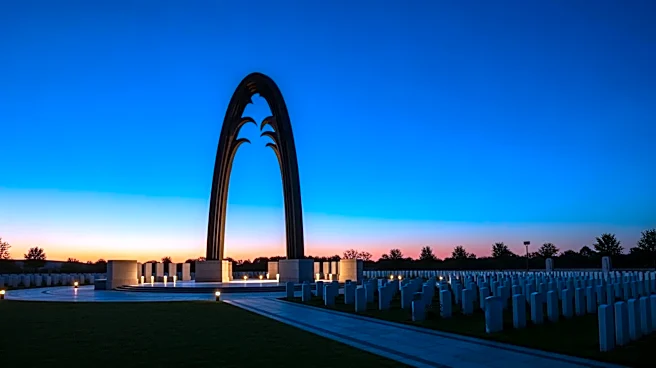
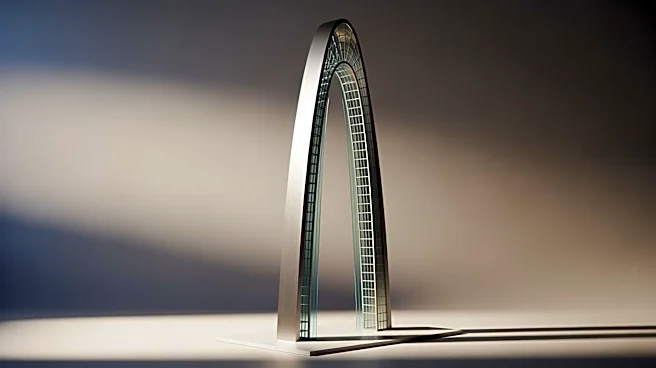
President Trump has proposed the construction of a triumphal arch in Washington, D.C., situated on a traffic circle between the entrance to the Arlington National Cemetery and the Lincoln Memorial. The Commission of Fine Arts has given preliminary approval
to the plans, albeit with some suggested modifications. Despite this approval, the project has faced significant public disapproval. Critics, including designers, architects, and cultural commentators like Philip Kennicott from the Washington Post, have expressed concerns about the arch's design, size, and location. They argue that it disrupts the carefully planned aesthetic and tone of central Washington, D.C., which is intended to reflect American ideals and values.
Why It's Important?
The proposal for a triumphal arch in Washington, D.C., is significant as it touches on the broader themes of national identity and the representation of American values through public monuments. The public disapproval highlights a tension between new architectural projects and the preservation of historical and cultural landscapes. The arch's potential impact on the visual and symbolic landscape of the nation's capital raises questions about how new structures should integrate with existing monuments that hold historical significance. This debate could influence future decisions on public architecture and the preservation of cultural heritage in the U.S.
What's Next?
The next steps for the proposed triumphal arch involve addressing the concerns raised by critics and the public. The Commission of Fine Arts may require further revisions to the design to better align with the existing aesthetic of Washington, D.C. Additionally, public opinion and advocacy from cultural and historical preservation groups could play a role in shaping the final outcome of the project. The ongoing dialogue between stakeholders will likely continue as the project progresses through the approval and construction phases.
Beyond the Headlines
Beyond the immediate controversy, the proposed triumphal arch raises deeper questions about the role of public monuments in shaping national identity and memory. The project could set a precedent for how new monuments are integrated into historically significant areas, potentially influencing future urban planning and architectural decisions. The debate also reflects broader cultural and political dynamics, as public spaces become arenas for expressing and contesting national values and historical narratives.