

What's Happening?
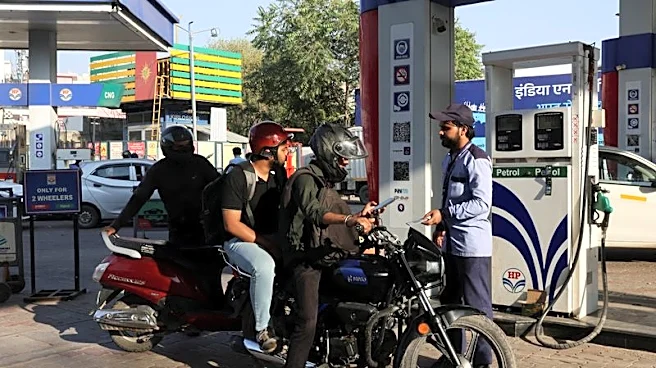
A severe LPG shortage in India, exacerbated by the ongoing US-Iran conflict, is causing a mass exodus of migrant workers from urban centers like Delhi and Mumbai. The crisis has led to a scarcity of cooking gas, making it difficult for low-income workers to sustain
their livelihoods. Many workers, particularly from Bihar, are returning to their villages as businesses reliant on LPG, such as restaurants and hotels, are scaling down operations or closing. The shortage has also led to a rise in black market prices, further straining the financial resources of these workers.
Why It's Important?
The LPG crisis highlights the vulnerability of supply chains during geopolitical conflicts and its direct impact on everyday life. The exodus of migrant workers could lead to labor shortages in urban areas, affecting the hospitality and service industries. This situation underscores the need for more resilient energy policies and better support systems for low-income workers. The crisis also reflects the broader economic implications of international conflicts on domestic markets, emphasizing the interconnectedness of global economies.
What's Next?
The Indian government may need to implement emergency measures to stabilize LPG supplies and prevent further economic disruption. There could be increased pressure on policymakers to develop alternative energy solutions and improve infrastructure to support migrant workers. Additionally, the situation may prompt international discussions on energy security and the need for cooperative strategies to mitigate the impact of geopolitical tensions on global supply chains.