







What's Happening?
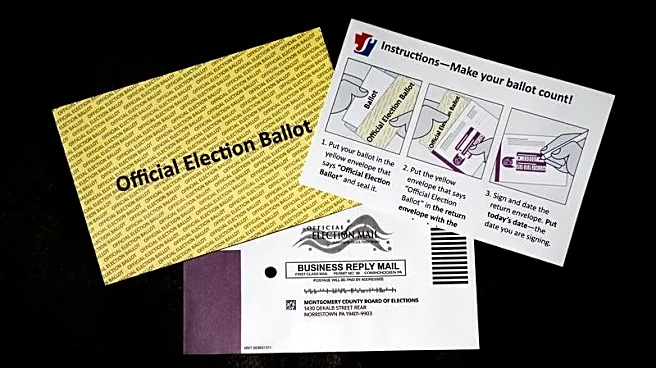
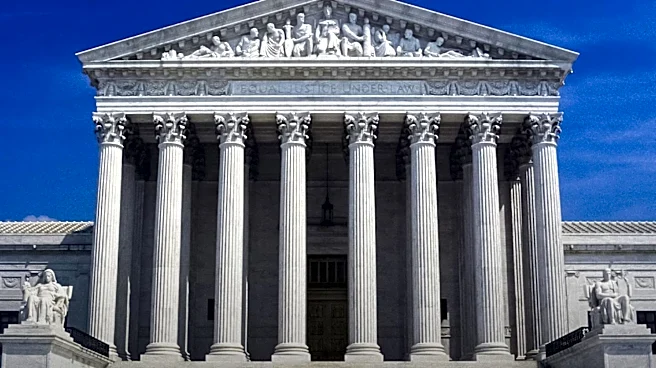
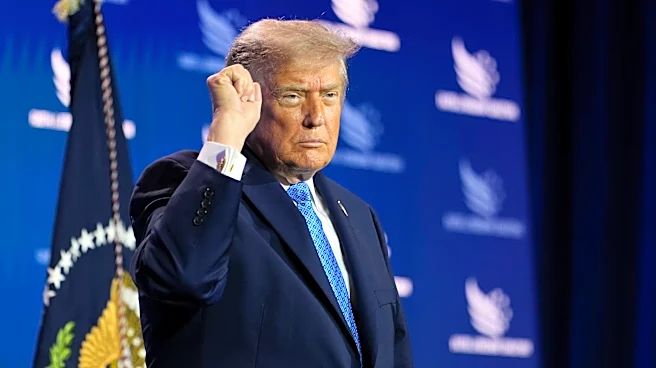
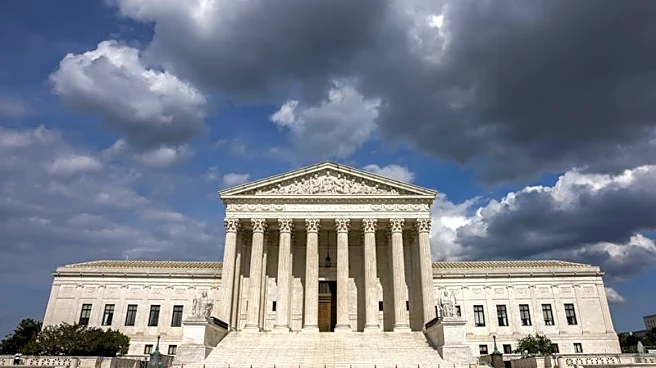
The Supreme Court has ruled against President Trump and the Republican National Committee by upholding states' rights to count mail-in ballots postmarked by Election Day but received later. This decision affects 14 states with grace periods for mail ballots,
including Mississippi and Illinois. While seen as a defeat for Trump, who has criticized mail-in voting, the ruling may set the stage for future legal battles over voting laws. The court's decision aligns with states' rights, allowing them to manage their election processes, but it also opens the door for potential challenges to other voting regulations.
Why It's Important?
The ruling highlights the ongoing debate over voting rights and election integrity in the U.S. By supporting states' rights to manage mail-in voting, the decision could influence future legislative and legal efforts to regulate voting practices. It underscores the tension between ensuring voter access and addressing concerns about election security. The decision may also impact political strategies, as parties navigate the implications for voter turnout and election outcomes.
What's Next?
The Supreme Court's decision may prompt further legal challenges and legislative proposals aimed at regulating mail-in voting and other election practices. President Trump and the Republican Party may continue to push for stricter voting laws, potentially leading to new court cases. The ruling could also influence upcoming elections, as states and political parties adjust their strategies in response to the legal landscape.