



What's Happening?
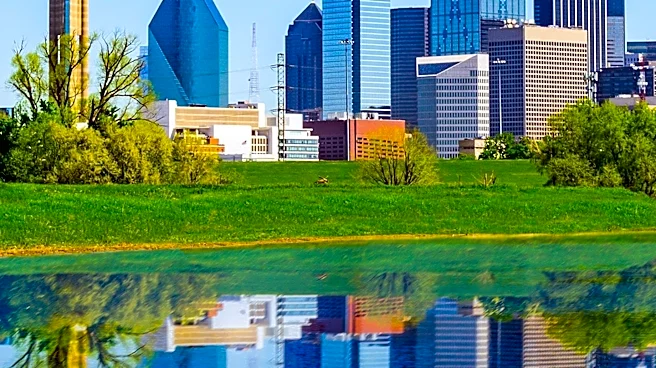
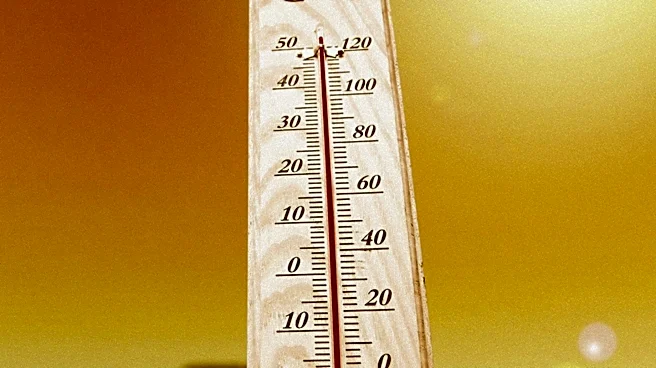
Dallas-Fort Worth is currently experiencing a heat advisory in mid-September, with temperatures significantly above average for this time of year. The week began with temperatures 11 degrees higher than the seasonal norm. This persistent heat follows
a trend of extended warm periods, as indicated by recent data suggesting European heatwaves are increasingly stretching into spring and fall. While the immediate focus is on Dallas-Fort Worth, this local phenomenon aligns with broader climate patterns where extreme heat events are becoming more common and expanding their seasonal reach. The continued high temperatures in the region are prompting concerns about the duration of summer-like conditions well into what is typically the autumn season.
Why It's Important?
The prolonged heat in Dallas-Fort Worth has significant implications for public health, energy consumption, and local economies. Elevated temperatures increase the risk of heat-related illnesses, placing a strain on healthcare systems and potentially impacting outdoor labor productivity. Energy grids face heightened demand for air conditioning, which can lead to increased utility costs for residents and businesses, and potentially strain infrastructure. For industries reliant on outdoor activities, such as construction or agriculture, the extended heat can disrupt operations and reduce efficiency. The situation also highlights the broader impact of climate change, as the expansion of extreme heat seasons globally suggests a need for updated preparedness and response strategies across various sectors, including urban planning and public services.
What's Next?
As the heat advisory remains in effect for Dallas-Fort Worth, residents and local authorities will likely continue to implement measures to mitigate the effects of the high temperatures. This could include public health advisories, opening cooling centers, and monitoring energy consumption to prevent outages. The National Weather Service will continue to issue updates and forecasts, guiding local responses. Looking ahead, if these extended heat patterns persist in future years, there may be a need for long-term adjustments in urban infrastructure, public health campaigns, and agricultural practices to adapt to a longer warm season. Businesses may also need to re-evaluate operational schedules to account for prolonged periods of extreme heat.
Beyond the Headlines
The extended heat in Dallas-Fort Worth, while a local event, underscores a global shift in climate patterns, where the boundaries of traditional seasons are blurring. This phenomenon challenges established norms for seasonal planning in various sectors, from retail and tourism to public utilities and emergency services. The psychological impact of prolonged heat, often associated with summer, extending into fall can also affect public morale and daily routines. Furthermore, it raises questions about the long-term sustainability of current infrastructure and resource management in the face of a changing climate. The need for innovative solutions in urban design, such as increased green spaces and reflective surfaces, becomes more pressing as cities grapple with these new climatic realities.