




What's Happening?
The European Union is currently facing a confluence of significant challenges, described as 'Everything Everywhere All at once.' These include ongoing conflicts in Ukraine and the Middle East, escalating trade disputes, Russia's hybrid warfare tactics,
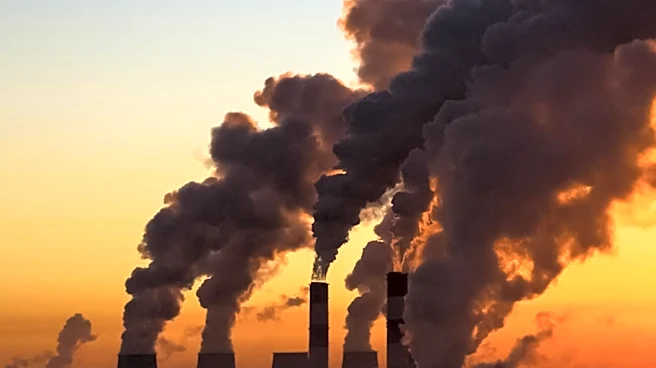
the rise of extreme right-wing political movements within member states, severe climate change impacts like forest fires, and the rapid advancement of artificial intelligence. This complex strategic environment has prompted the EU Council to release a new threat assessment, which will inform the upcoming European Security Strategy. The EU recognizes that it cannot address every potential crisis simultaneously due to 'scarcity politics,' where numerous challenges compete for limited political attention and resources. This situation underscores the critical need for enhanced capacity to act, respond, and preempt future crises.
Why It's Important?
The EU's ability to navigate these multifaceted crises has profound implications for global stability and its own internal cohesion. The strain on resources and political capital, coupled with the fraying political center and domestic pressures on European governments, could hinder effective decision-making and collective action. The call for 'institutional and partnership formats that enable action' highlights a recognition that current structures may lack the dynamism required for the hyper-dynamic global environment. Furthermore, the financial constraints, with demands for increased spending on defense, critical technologies, resilience, climate initiatives, and support for Ukraine, while simultaneously facing budget limitations, pose a significant challenge to the EU's strategic ambitions. The outcome of these internal and external pressures will shape the EU's role as a global actor and its capacity to protect its interests and promote peace and prosperity.
What's Next?
In response to the complex challenges, the EU is exploring various avenues to strengthen its capacity and leadership. This includes developing new institutional and partnership formats, such as a European Security Council or 'coalitions of the willing,' to enable more agile responses. The EU is also looking to diversify its international partnerships beyond traditional enlargement, offering bespoke formats for cooperation in areas like trade, defense, research, and visa-free travel. Canada, for instance, is seeking to strengthen its bonds with the EU. Internally, there is a recognized need for stable political coalitions to support initiatives like Commission President Ursula von der Leyen's call for a 'European independence moment.' Addressing the budget limitations will also be crucial, as the EU cannot meet its ambitious goals without sufficient financial resources. The upcoming European Security Strategy will likely outline concrete steps to address these issues.
Beyond the Headlines
The current situation within the EU points to a deeper struggle with its identity and operational effectiveness in a rapidly changing world. The concept of 'scarcity politics' suggests a fundamental shift in how the EU must prioritize and allocate its resources, moving away from an 'everything, everywhere, all at once' approach. This necessitates a more focused and strategic deployment of political and financial capital. The emphasis on 'relationships and connections' amidst chaos, as highlighted by the newsletter, underscores the importance of internal unity and external alliances. The EU's ability to foster these connections, both among its member states and with international partners, will be critical for its resilience. The ongoing debate about fiscal restraint versus increased spending also touches upon the core economic philosophies within the Union, potentially leading to significant reforms in financial governance and burden-sharing among member states.