








What's Happening?
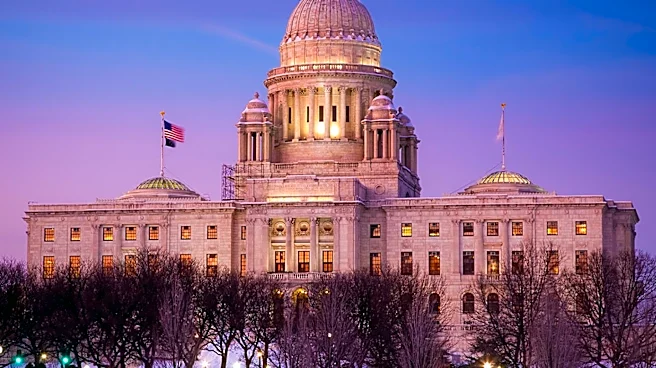
Rhode Island is actively commemorating the 250th anniversary of American independence, known as the semiquincentennial, by highlighting its significant contributions to the nation's founding. The Rhode Island 250th Commission is coordinating various events
and exhibitions across the state, collaborating with historical organizations and local communities. A central focus of these commemorations is the state's May 4, 1776, Act of Renunciation, where the colonial legislature in Providence formally ended its allegiance to the British Crown, two months before the Declaration of Independence. Exhibitions and educational programs are exploring the experiences of soldiers and civilians during the Revolutionary War, including those whose contributions have often been overlooked, such as Indigenous communities and African Americans. Notable ongoing exhibitions include 'Following the Spark' at the Rhode Island State Archives, which examines the state's revolutionary history from the Gaspee affair to the ratification of the Constitution, and 'Revolution to Reclamation: Freedom through Indigenous Sovereignty' at the Tomaquag Museum, which explores independence from Indigenous perspectives.
Why It's Important?
Rhode Island's semiquincentennial commemorations are important for several reasons. They serve to educate the public about the state's pivotal, though often understated, role in the American Revolution, particularly its early declaration of independence. By focusing on the Act of Renunciation, the state emphasizes its pioneering spirit in advocating for self-governance. The inclusion of diverse perspectives, such as those of Indigenous communities and African Americans, in the historical narrative is crucial for a more comprehensive and accurate understanding of the nation's founding, acknowledging that the promise of liberty was not universally experienced. These exhibitions and programs not only preserve historical memory but also encourage critical reflection on the complexities of American history. For the state, these events also boost cultural tourism, drawing visitors to historic sites and museums, thereby contributing to the local economy and fostering a deeper appreciation for Rhode Island's heritage.
What's Next?
The Rhode Island 250th Commission will continue to coordinate a series of events and exhibitions leading up to and through the 250th anniversary. Upcoming events include 'A New England Thanksgiving' at Coggeshall Farm Museum on November 21, 2026, featuring eighteenth-century cooking demonstrations, and 'British Soldiers' Wives in the American Revolution' at the Museum of the John Brown House on December 3, 2026, discussing the experiences of women during the war. These ongoing commemorations will likely continue to attract visitors and engage residents in historical reflection. The focus on diverse narratives is expected to persist, ensuring that a broad range of voices and experiences from the Revolutionary era are recognized. The commission's efforts will culminate in 2026, with a full calendar of activities designed to honor Rhode Island's historical legacy and its impact on the United States.
Beyond the Headlines
Beyond the immediate historical commemorations, Rhode Island's emphasis on its early commitment to independence and the inclusion of marginalized voices in its historical narrative has deeper implications. It challenges traditional, often Eurocentric, interpretations of American history by highlighting the contributions and struggles of Indigenous and African American populations during the Revolutionary period. This approach fosters a more inclusive national identity and encourages ongoing dialogue about historical justice and equity. The focus on local historical sites and cultural institutions also strengthens community ties and promotes civic engagement, as residents and visitors connect with their shared past. Furthermore, by showcasing its unique historical artifacts and craftsmanship, such as Gorham silver and Newport furniture, Rhode Island reinforces its cultural heritage and economic contributions, demonstrating how history continues to shape its contemporary identity.