



What's Happening?
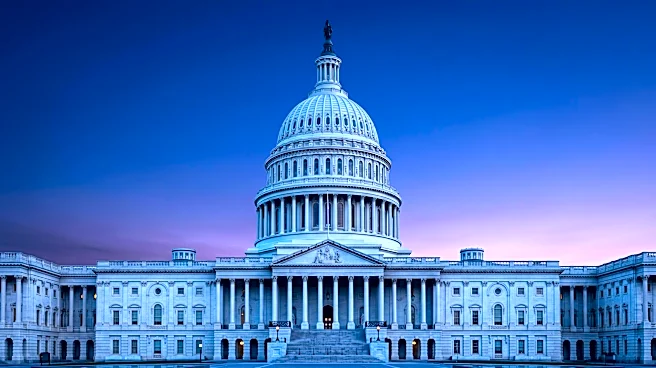
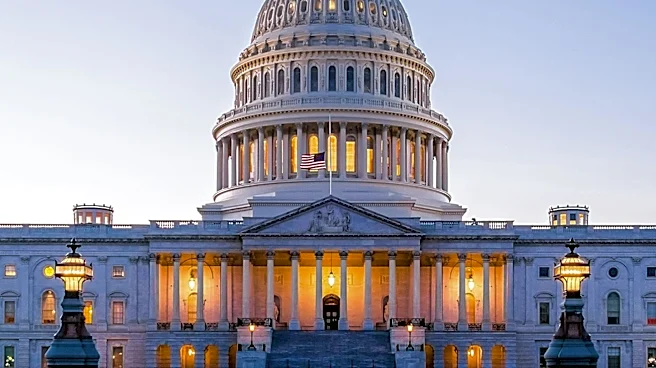
House Majority Leader Steve Scalise is actively championing the AM Radio for Every Vehicle Act, which is slated for a House floor vote on September 14. Scalise emphasized the critical public safety role of AM radios, drawing on his personal experience
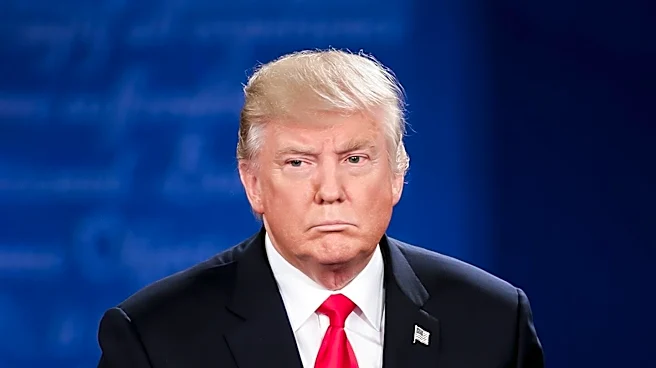
during Hurricane Katrina, where AM radio was the sole source of information for many. He expressed optimism that the bill will garner significant support in the House, thereby encouraging the Senate to take action. The legislation aims to ensure that new vehicles continue to include AM radio capabilities, recognizing its importance for emergency communications, especially as automotive technology evolves. This bill was initially intended to be incorporated into a broader transportation bill but is now being brought to the floor as a standalone measure due to issues with the larger bill. President Trump has indicated his readiness to sign the bill into law.
Why It's Important?
The AM Radio for Every Vehicle Act holds significant importance for public safety and emergency preparedness across the U.S. Scalise's reference to Hurricane Katrina highlights how AM radio serves as a vital, resilient communication channel when other infrastructure, such as power grids and cellular networks, fails. In disaster scenarios, AM broadcasts can provide essential information, warnings, and instructions to the public, making it a crucial component of national emergency response systems. The bill addresses concerns that the removal of AM radio from new vehicles could create dangerous communication gaps during crises. For the automotive industry, this legislation would mandate the inclusion of AM radio, potentially impacting design and manufacturing processes. For consumers, it ensures continued access to a traditional and reliable source of information, particularly in rural areas or during widespread outages where internet and cellular services may be unavailable. The bipartisan support for such a measure underscores a recognition of its societal value beyond mere entertainment.
What's Next?
The immediate next step is the House floor vote on the AM Radio for Every Vehicle Act, scheduled for September 14. If the bill passes the House with substantial support, the focus will shift to the Senate, where Scalise hopes the momentum will encourage swift action. The Senate is returning from recess the same week, creating a narrow window for the bill to clear both chambers before lawmakers depart again for an extended period leading up to the midterm elections. President Trump has already expressed his support and willingness to sign the bill, indicating a clear path to enactment if it successfully navigates Congress. Public advocacy, as urged by figures like Hugh Hewitt, will likely continue to play a role in encouraging representatives to vote in favor of the bill, emphasizing its public safety benefits.
Beyond the Headlines
Beyond its immediate implications for public safety and the automotive industry, the AM Radio for Every Vehicle Act touches upon broader themes of technological evolution versus traditional infrastructure, and the role of government in ensuring essential services. As vehicles become increasingly reliant on digital and internet-based technologies, the debate over AM radio highlights a tension between innovation and the preservation of older, more robust systems. The bill implicitly acknowledges that while new technologies offer convenience, they may lack the resilience needed in extreme circumstances. This legislative effort could set a precedent for how future technological advancements in critical sectors are evaluated against their potential impact on public safety and accessibility, particularly for vulnerable populations or those in areas with limited access to modern communication infrastructure. It also underscores the enduring value of broadcast radio as a foundational element of national communication strategy.