







What's Happening?
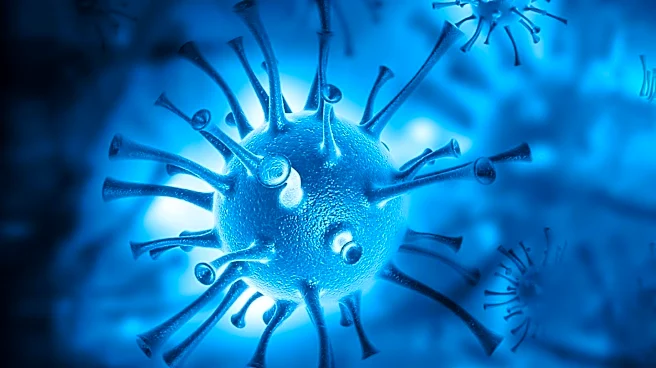
The HPV vaccine operates by employing noninfectious virus-like particles (VLPs) to stimulate the immune system to produce antibodies. These VLPs mimic the exterior of the human papillomavirus but contain no HPV DNA, making them noninfectious and nononcogenic.
This mechanism allows the immune system to recognize and respond to the virus without actual exposure to a replicating HPV. Trials have demonstrated that this vaccine significantly reduces the incidence of cervical precancers. The vaccine targets specific HPV types, including those responsible for anogenital warts and high-risk types linked to cervical cancer. Evidence from randomized trials and national cancer registries indicates that the vaccine is most effective when administered before HPV exposure, with studies showing stronger associations with cervical cancer reduction at younger vaccination ages. For instance, in England, a cohort offered vaccination at ages 12–13 showed an estimated 87% reduction in cervical cancer rates compared to unvaccinated cohorts.
Why It's Important?
The effectiveness of the HPV vaccine in preventing cervical precancers and reducing cervical cancer incidence has significant public health implications in the U.S. Cervical cancer, primarily caused by persistent HPV infection, remains a serious health concern. By preventing new infections with high-risk HPV types, the vaccine can substantially lower the burden of this disease. This is particularly crucial for younger populations, as early vaccination offers the strongest protection. The vaccine's ability to prevent anogenital warts also contributes to overall public health by reducing the prevalence of these common and often distressing conditions. Widespread vaccination programs can lead to a decrease in healthcare costs associated with treating HPV-related diseases and improve the quality of life for many individuals. The ongoing monitoring of vaccine efficacy and safety through national registries and long-term studies reinforces its role as a vital preventive measure.
What's Next?
Continued efforts will likely focus on increasing HPV vaccination rates across eligible populations in the U.S. Public health campaigns will aim to educate parents and adolescents about the vaccine's benefits and safety, emphasizing the importance of early vaccination. Research will continue to monitor the long-term effectiveness of the vaccine in preventing various HPV-related cancers beyond cervical cancer, such as anal, penile, and oropharyngeal cancers. Further studies may also explore the optimal vaccination schedules and the potential for booster doses, although current evidence suggests sustained protection over many years. The integration of HPV vaccination with existing cervical cancer screening programs will remain crucial, as the vaccine does not cover all cancer-associated HPV types and screening can detect precancerous changes not prevented by vaccination.
Beyond the Headlines
The success of the HPV vaccine highlights the broader potential of preventive medicine through vaccination to combat chronic diseases, particularly cancers linked to infectious agents. This approach shifts the focus from treatment to prevention, offering a more proactive strategy for public health. The development of virus-like particle technology, as seen in the HPV vaccine, represents a significant advancement in vaccinology, demonstrating how noninfectious components can elicit robust immune responses. Ethically, the vaccine raises discussions about mandatory vaccination policies and the balance between individual choice and public health imperatives. Culturally, overcoming vaccine hesitancy and misinformation remains a challenge, requiring sustained public health communication efforts. The long-term impact could be a significant reduction in HPV-related cancers, potentially altering cancer epidemiology and healthcare resource allocation in the U.S.