
What's Happening?
An intense heat wave is affecting much of the eastern United States during the July Fourth celebrations, with temperatures expected to be 10 to 20 degrees above average. Governors from several states,
including New Jersey, Virginia, and North Carolina, have issued warnings to residents about the dangers of the extreme heat. The National Weather Service has forecasted heat index values between 110 to 115 degrees in areas such as Maryland, Virginia, and Washington D.C. In response, the annual Independence Day Parade in Washington, D.C., has been canceled. Officials are advising people to stay hydrated, limit outdoor activities, and use air conditioning to stay cool. Vulnerable groups such as young children, the elderly, and those with chronic health conditions are particularly at risk.
Why It's Important?
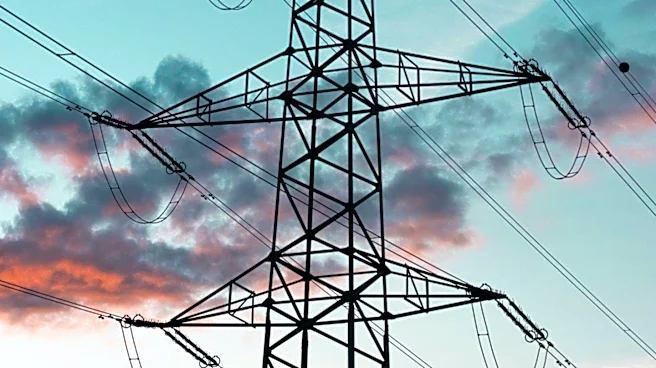
The extreme heat poses significant health risks, particularly for vulnerable populations, and can lead to heat-related illnesses and fatalities. The warnings and cancellations of events like the Independence Day Parade highlight the severity of the situation. The heat wave also places additional strain on emergency services and healthcare facilities, as they may see an increase in heat-related emergencies. Furthermore, the high temperatures can impact infrastructure, such as power grids, as increased demand for air conditioning can lead to outages. The situation underscores the need for public awareness and preparedness in dealing with extreme weather conditions.
What's Next?
As the heat wave continues, residents are encouraged to follow safety guidelines issued by local authorities. This includes staying indoors during peak heat hours, using cooling centers if necessary, and checking on vulnerable neighbors. State and local governments may need to implement additional measures to manage the increased demand on power grids and emergency services. The ongoing heat wave could also prompt discussions on long-term strategies to mitigate the impact of extreme weather events, potentially influencing public policy and infrastructure planning.