








What's Happening?
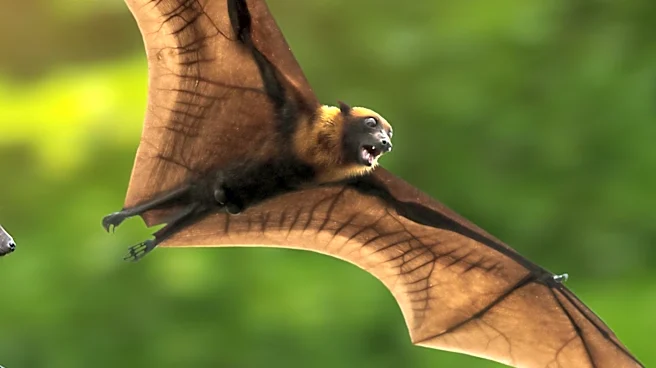
Bats, often associated with caves and Halloween, are vital to agriculture and ecosystems. They perform essential roles such as controlling insect populations, pollinating crops, and dispersing seeds. In North America, most bats are insectivores, consuming
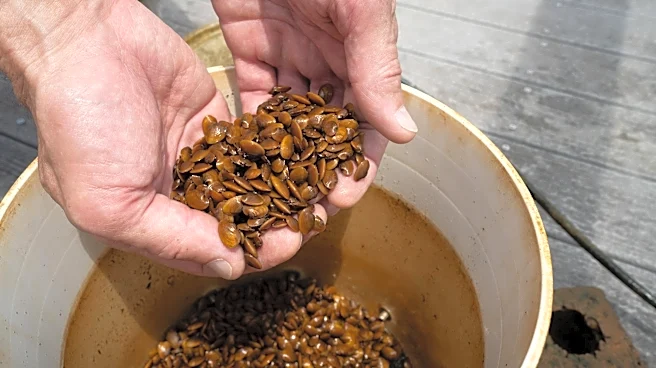
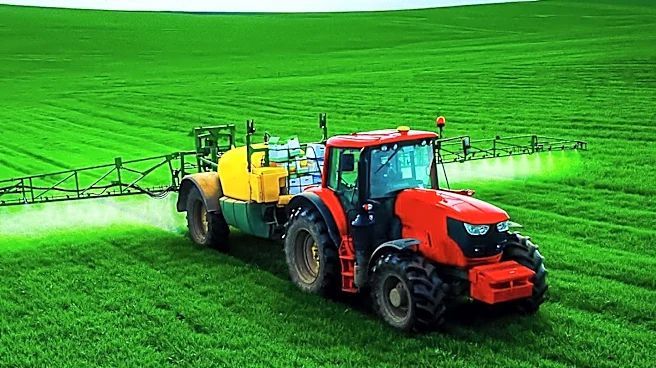
pests like moths and beetles that damage crops such as corn, soybeans, and apples. This natural pest control reduces the need for chemical pesticides, saving American agriculture billions annually. Additionally, some bats are pollinators, crucial for crops like agave, bananas, and mangoes. Bats also aid in seed dispersal, helping forests regenerate. Despite their importance, bat populations face threats from habitat loss, pesticide exposure, and white-nose syndrome, a fungal disease devastating colonies since 2006.
Why It's Important?
Bats provide significant economic and environmental benefits by reducing pesticide use and supporting crop production. Their role in pest control helps lower agricultural costs and environmental impact, promoting sustainable farming practices. The decline in bat populations could lead to increased pesticide reliance, higher costs, and environmental degradation. Protecting bats is crucial for maintaining balanced ecosystems and agricultural productivity. Their presence indicates healthy environments, and their decline signals potential ecological issues. Efforts to conserve bats are essential for sustaining their contributions to agriculture and biodiversity.