





What's Happening?
UVM’s Leahy Public Policy Forum, hosted by the Patrick Leahy Honors College, recently convened researchers, innovators, and thinkers in the climate space. The two-day event engaged the university community with discussions on major U.S. public policy
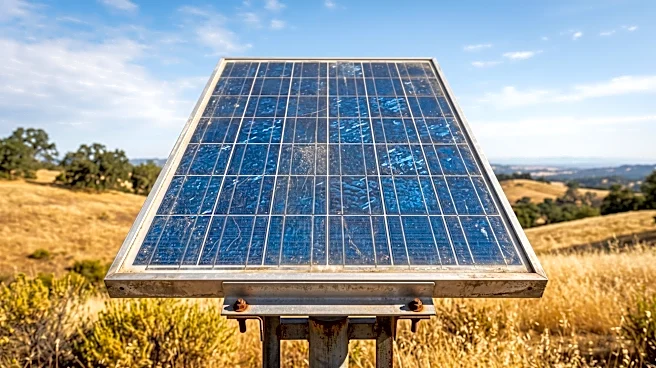
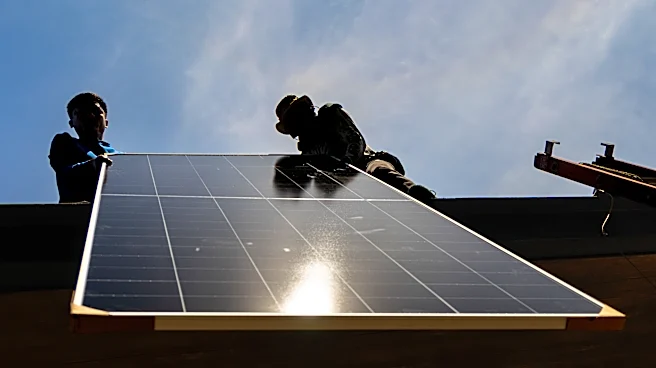
issues, particularly those in which Senator Patrick Leahy was involved during his 48-year career in the U.S. Senate. The forum featured local researchers and entrepreneurs working to address the climate crisis in Vermont. Speakers included Chad Miller, president and CTO of Verde Technologies, who discussed next-generation solar panels made from perovskite, a lightweight, flexible, and efficient material. Caylin McCamp, Director of UVM’s Office of Sustainability, highlighted efforts to integrate students into campus climate work, such as developing a comprehensive sustainability plan and assessing campus trees. Other participants included Amritanshu Pandey, assistant professor of electrical and biomedical engineering, discussing safe agentic-AI use; Joshua Beneš, associate director of UVM’s Water Resources Institute, presenting the Vermont Mesonet weather monitoring tool; Eric Roy, director of UVM’s Casella Center, on food waste recycling; Tyler Seeholzer of BETA Technologies, on electric aviation; and Gillian Galford, Director of UVM’s Climate Measurement Center, on making climate science usable.
Why It's Important?
This forum underscores the growing emphasis on localized climate solutions and the role of academic institutions in fostering innovation. The development of lightweight, efficient solar technology, as discussed by Verde Technologies, could significantly impact renewable energy adoption in regions like Vermont, where traditional solar panels face weight constraints. Integrating students into sustainability initiatives provides practical experience and cultivates a future workforce equipped to tackle climate challenges. The diverse range of topics, from AI in climate to electric aviation and food waste recycling, demonstrates a holistic approach to environmental issues. These efforts contribute to the broader U.S. goal of achieving climate resilience and reducing carbon footprints, potentially influencing national policy and investment in green technologies. The focus on making climate science 'usable' highlights the critical need to translate scientific research into actionable strategies for communities and policymakers.
What's Next?
The initiatives highlighted at the Leahy Public Policy Forum are expected to continue evolving. Verde Technologies' perovskite solar panels could move towards broader commercialization, potentially offering a new solution for residential and commercial solar installations across the U.S. UVM's Office of Sustainability will likely expand its student engagement programs, further integrating climate work into the curriculum and campus operations. The insights shared by researchers on topics like AI, weather monitoring, and electric aviation could lead to further research funding, pilot programs, and collaborations between academia, industry, and government. The forum's emphasis on practical, local solutions suggests a continued focus on implementing these innovations within Vermont and potentially scaling them to other states facing similar environmental challenges. Future forums may track the progress of these initiatives and introduce new climate-focused research and policy discussions.
Beyond the Headlines
The Leahy Public Policy Forum reflects a broader societal shift towards integrating environmental sustainability into various sectors, from technology and engineering to urban planning and education. The emphasis on 'making climate science usable' points to a critical challenge in environmental policy: bridging the gap between scientific data and practical application. This forum also highlights the legacy of Senator Patrick Leahy in promoting public policy discussions that address pressing national issues. The collaborative spirit among researchers, innovators, and students suggests a model for addressing complex problems through interdisciplinary approaches. Furthermore, the focus on local solutions in Vermont could serve as a blueprint for other states, demonstrating how tailored, community-level efforts can contribute significantly to national climate goals and foster economic development in green industries.