




What's Happening?
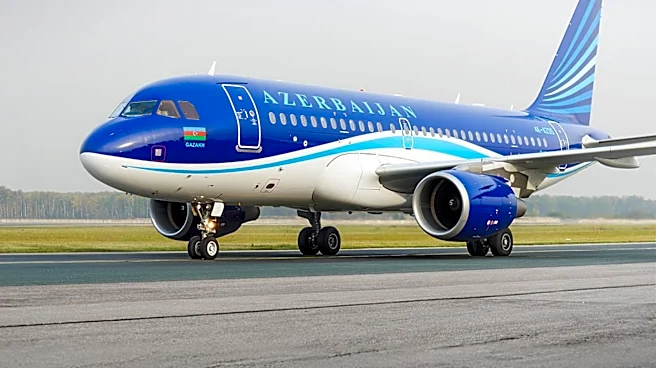
Azerbaijan is commemorating the 6th anniversary of its victory in the Second Nagorno-Karabakh War, observed annually on November 8th. This date was established by a decree from the President of Azerbaijan on December 2, 2020. The holiday specifically
marks the reclamation of the city of Shusha, a symbolically significant location in Karabakh. Although Shusha was liberated on November 10th, the date was adjusted to November 8th by President of Azerbaijan, H. E. Ilham Aliyev, and the Azerbaijani leadership. This change was made out of historical sensitivity, as November 10th coincides with the anniversary of the passing of Gazi Mustafa Kemal Atatürk, the founder of the Republic of Türkiye, a day of national mourning in Türkiye. Civil society organizations, such as the Marmara Group Foundation, are participating in the celebrations, emphasizing the brotherhood between Türkiye and Azerbaijan.
Why It's Important?
This annual commemoration is significant for Azerbaijan as it reinforces national pride and celebrates a pivotal military achievement that reshaped the geopolitical landscape of the South Caucasus. The choice of November 8th as Victory Day, demonstrating sensitivity to Türkiye's national mourning, highlights the strong strategic and cultural ties between Azerbaijan and Türkiye. This alliance is a key factor in regional dynamics, influencing security and economic policies. The celebration also serves to solidify Azerbaijan's territorial claims and its narrative of the conflict, which has implications for ongoing peace negotiations with Armenia. For the international community, understanding the significance of this day for Azerbaijan is crucial for comprehending the country's foreign policy motivations and its approach to regional stability.
What's Next?
The continued celebration of Victory Day will likely reinforce nationalistic sentiments within Azerbaijan and further solidify the government's narrative regarding the Nagorno-Karabakh conflict. This annual event will continue to be a platform for strengthening ties with Türkiye and other allies. In the context of ongoing efforts to normalize relations with Armenia, Azerbaijan's firm stance on its territorial integrity, as symbolized by Victory Day, will likely remain a key element in any future peace agreements. The commemoration also serves as a reminder of the military outcome that led to the displacement of ethnic Armenians from Nagorno-Karabakh, an issue that remains a significant point of contention in the region.
Beyond the Headlines
The establishment and celebration of Victory Day in Azerbaijan reflect a broader trend of nations commemorating military successes to forge national identity and legitimize territorial gains. This can have profound psychological and political effects, both domestically and internationally. The deliberate choice of November 8th, out of respect for Türkiye, underscores the deep-seated pan-Turkic sentiments and strategic alignment that influence Azerbaijani foreign policy. This cultural and political bond extends beyond mere alliances, shaping regional power balances and potentially influencing future conflicts or collaborations. The narrative promoted through such commemorations can also impact historical memory, potentially hindering reconciliation efforts with Armenia by solidifying a victor's perspective on the conflict.