





What's Happening?
The U.S. Environmental Protection Agency (EPA) has finalized a three-year extension for the compliance deadline of Clean Water Act (CWA) Hazardous Substance Facility Response Plans (FRPs) under 40 CFR Part 118. The new deadline for regulated facilities
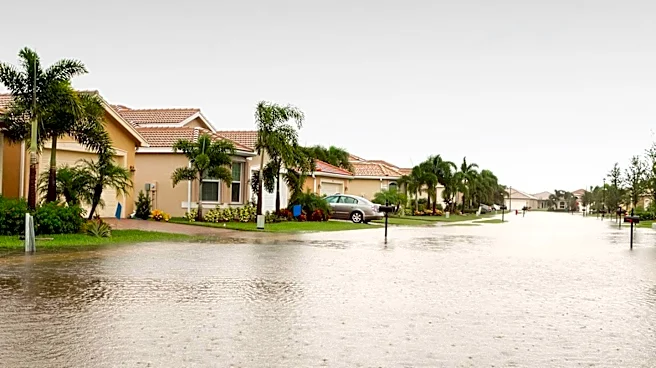
to prepare and submit these plans is June 1, 2030, moving from the previous deadline of June 1, 2027. This regulation applies to non-transportation-related onshore facilities that could cause substantial environmental harm from a worst-case discharge of CWA hazardous substances into navigable waters. The EPA also removed references to climate change and environmental justice from the regulatory revisions to align with Executive Order 14148. While the deadline is extended, the underlying regulatory requirements and applicability criteria remain in effect. The EPA is also reconsidering other portions of the original 2024 rule, which may lead to further revisions before the new compliance date.
Why It's Important?
This extension provides significant relief and additional time for affected industries to evaluate regulatory applicability, assess potential worst-case discharge scenarios, and develop appropriate response planning strategies. For organizations managing multiple facilities, this offers an opportunity to standardize applicability assessments and coordinate compliance planning across their operations, potentially leading to more efficient and cost-effective compliance efforts. The removal of climate change and environmental justice references from the regulatory revisions signals a shift in the EPA's approach under the current administration, which could have broader implications for future environmental regulations. While the extension offers flexibility, it also means that facilities should continue to monitor EPA developments, as further regulatory changes are possible, impacting long-term planning and investment decisions for environmental compliance.
What's Next?
Regulated facilities now have until June 1, 2030, to finalize and submit their Hazardous Substance Facility Response Plans. However, the EPA's ongoing reconsideration of portions of the original 2024 rule suggests that additional revisions could be introduced before this new deadline. This necessitates continuous monitoring by facilities of EPA announcements and potential policy shifts to ensure their compliance strategies remain aligned with the latest requirements. Industry stakeholders, particularly those with multiple facilities, are likely to use this extended period to refine their internal processes for assessing and managing environmental risks. The legal and environmental communities will also be closely watching for any further changes to the rule, especially concerning the reintroduction or permanent exclusion of climate change and environmental justice considerations in future environmental policies.
Beyond the Headlines
The EPA's decision to extend the compliance deadline and remove specific references to climate change and environmental justice from the regulatory revisions reflects a broader policy direction under Executive Order 14148. This move could be interpreted as an effort to streamline regulations and reduce perceived burdens on industries, potentially prioritizing economic considerations alongside environmental protection. However, it also raises questions about the long-term commitment to addressing climate-related risks and ensuring equitable environmental outcomes for vulnerable communities. The ongoing legal challenges and public scrutiny surrounding such regulatory changes highlight the persistent tension between industrial development, environmental stewardship, and social equity in U.S. policy. This development could influence future legislative and regulatory debates regarding the scope and enforcement of environmental laws, potentially shaping the landscape of corporate environmental responsibility for years to come.