


What's Happening?
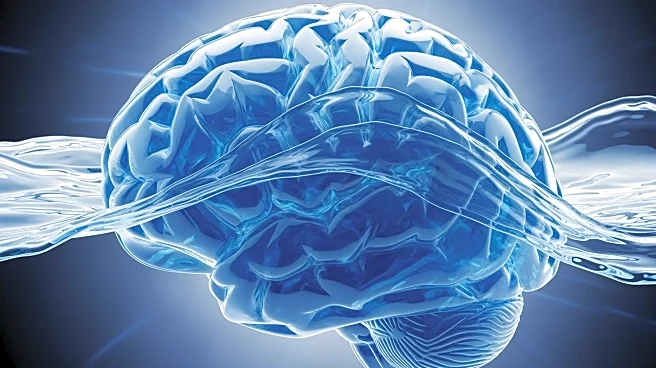
A recent study has utilized machine learning and resting-state fMRI to investigate brain-wide neural interactions in individuals with loudness hyperacusis. Conducted by researchers at the University of Illinois Urbana-Champaign, the study involved 14
young adults with hyperacusis and 25 control participants. The research aimed to identify functional connectivity differences in the brain, revealing that individuals with hyperacusis exhibit distinct neural connectivity patterns. The study's machine learning model achieved a classification F1-score of 0.679, highlighting specific brain regions and networks involved in semantic processing, working memory, emotion processing, and self-regulation. These findings suggest that hyperacusis affects cognitive networks beyond the auditory system.
Why It's Important?
This study is significant as it provides new insights into the neural basis of hyperacusis, a condition characterized by reduced sound tolerance. By identifying atypical connectivity patterns in cognitive networks, the research validates patient experiences and enhances understanding of the condition. The findings have potential implications for developing targeted treatments and assessments for hyperacusis, which could improve the quality of life for affected individuals. Additionally, the study demonstrates the utility of machine learning in neuroscience research, offering a data-driven approach to understanding complex brain disorders.
What's Next?
The study's findings pave the way for further research into the neural mechanisms of hyperacusis and related conditions. Future studies could explore the effectiveness of interventions targeting the identified cognitive networks, potentially leading to new therapeutic strategies. Additionally, the use of machine learning in this context may inspire similar approaches in studying other neurological and psychiatric disorders. As researchers continue to investigate the brain's connectivity patterns, there is potential for significant advancements in personalized medicine and the development of more effective treatments.