





What's Happening?
Chris Argent, Head of Sustainability and Corporate Affairs for Africa, Middle East and Asia (AMEA) at Syngenta, highlighted the critical need for innovation and partnerships to transform Bangladesh's agricultural sector. During an exclusive interview
with The Financial Express, Argent stated that millions of smallholder farmers in Bangladesh require improved access to technology, mechanization, finance, markets, and reliable information to boost productivity, crop quality, yields, and livelihoods. He stressed that food security remains a significant concern in Bangladesh, where agriculture is a cornerstone of the economy and employs a large portion of the workforce. Argent advocated for timely, science-based regulatory reviews and enhanced government-industry dialogue to facilitate responsible access to agricultural innovations. He also suggested that digitalizing approval processes could improve efficiency without compromising scientific scrutiny or safety. Syngenta Bangladesh is actively engaged in public-private partnerships (PPP) to address sector-wide agricultural challenges, recognizing that individual organizations cannot tackle these issues alone.
Why It's Important?
The emphasis on innovation and partnerships in Bangladesh's agricultural sector holds significant importance for global food security and sustainable development. Bangladesh's vulnerability to climate-related risks makes climate resilience an urgent priority, and the successful implementation of advanced agricultural practices can serve as a model for other nations facing similar challenges. By improving access to technology and information for smallholder farmers, there is potential to significantly increase agricultural output, enhance food security, and improve the livelihoods of a large population. The call for streamlined regulatory processes and stronger government-industry collaboration could accelerate the adoption of beneficial innovations, leading to more efficient and environmentally friendly farming practices. This approach aligns with broader international efforts to achieve sustainable development goals and address the impacts of climate change on agriculture.
What's Next?
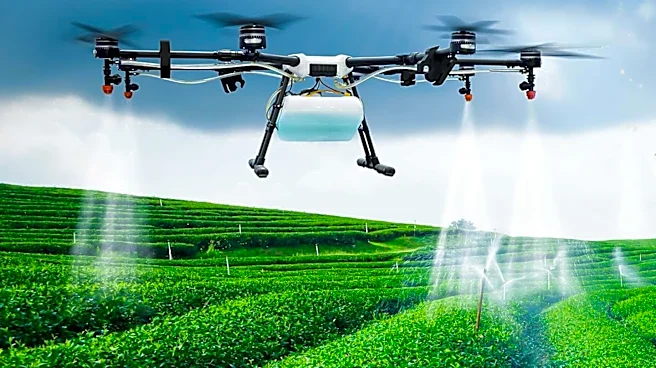
The future trajectory for Bangladesh's agriculture, as outlined by Chris Argent, involves continued efforts to strengthen public-private partnerships and integrate digital tools into farming practices. Syngenta Bangladesh's initiatives, such as GoGrow, Farmer School, and Stewardship, are expected to expand, focusing on local needs and delivering measurable benefits. Scaling these programs will necessitate strong partnerships and ongoing alignment with government institutions to achieve long-term, self-sustaining outcomes. The digitalization of approval processes for new agricultural technologies is a key next step to ensure farmers can access innovations when most needed. Furthermore, the continued development and accessibility of digital tools like Syngenta's Cropwise platform and drone technology are anticipated to improve decision-making and farm efficiency, contributing to higher yields and reduced environmental impact.
Beyond the Headlines
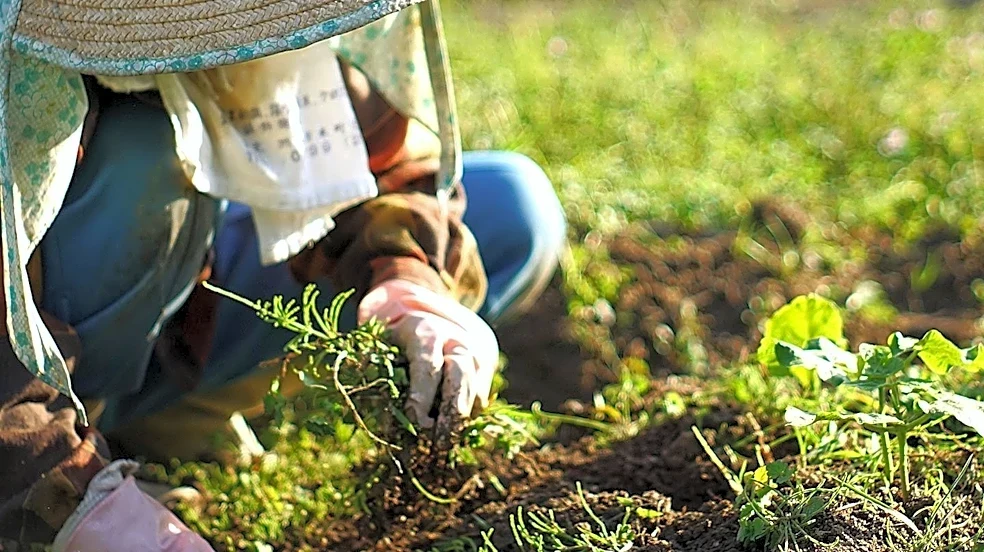
The discussion surrounding Bangladesh's agricultural transformation extends beyond immediate productivity gains, touching upon deeper implications for social equity and environmental stewardship. The focus on empowering smallholder farmers, particularly through initiatives like SheShines which advances women's participation in agricultural communities, highlights a commitment to inclusive growth. The integration of climate resilience strategies, such as those demonstrated by the GoGrow initiative in addressing salinity and water scarcity, underscores a proactive approach to environmental challenges. This holistic view of agricultural development, combining technological advancement with social and environmental considerations, suggests a shift towards a more sustainable and equitable food system. The lessons learned from Bangladesh's efforts in co-creation and multi-stakeholder partnerships could offer valuable insights for other developing nations grappling with similar agricultural and climate pressures.