



What's Happening?
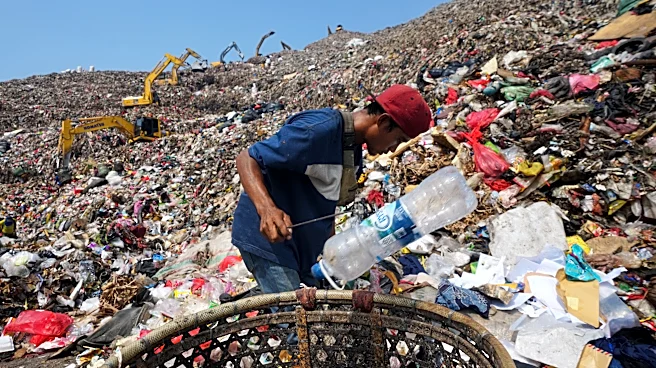
A study published in the journal Nature Food highlights the climate benefits of recycling food waste but warns of potential microplastic pollution in soil. The study, conducted by researchers at the University of Vermont, found that diverting food waste from
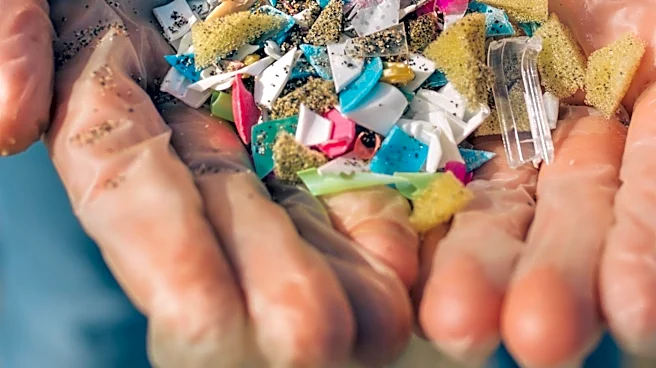
landfills could reduce greenhouse gas emissions by up to 99%. However, the presence of plastic food packaging in waste streams poses a risk of contaminating compost with microplastics. The study emphasizes the need for improved sorting and packaging solutions to mitigate this risk.
Why It's Important?
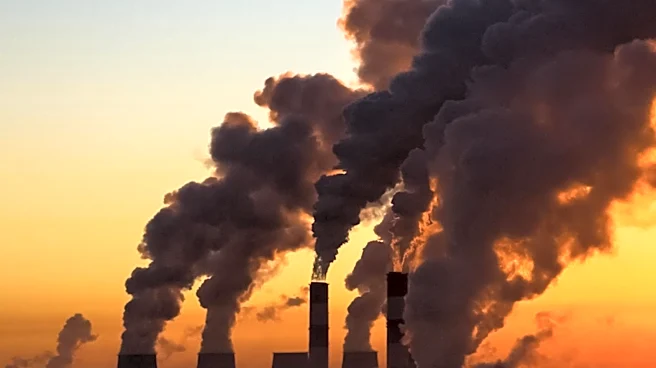
The findings underscore the dual challenge of addressing climate change and environmental pollution. While recycling food waste offers significant climate benefits by reducing methane emissions, the potential for microplastic contamination highlights the need for comprehensive waste management strategies. This issue is particularly relevant as states and municipalities consider implementing food waste bans to meet environmental goals. The study calls for innovations in packaging and waste sorting to ensure that the benefits of food waste recycling are not undermined by pollution.
What's Next?
The study's authors advocate for changes in food packaging and improved waste sorting processes to reduce plastic contamination in compost. Policymakers and industry stakeholders may need to collaborate on developing and implementing these solutions. The study also suggests that municipalities should continue to pursue food waste recycling initiatives while addressing the challenges of microplastic pollution. Ongoing research and innovation will be crucial in finding effective solutions to balance climate benefits with environmental protection.