







What's Happening?
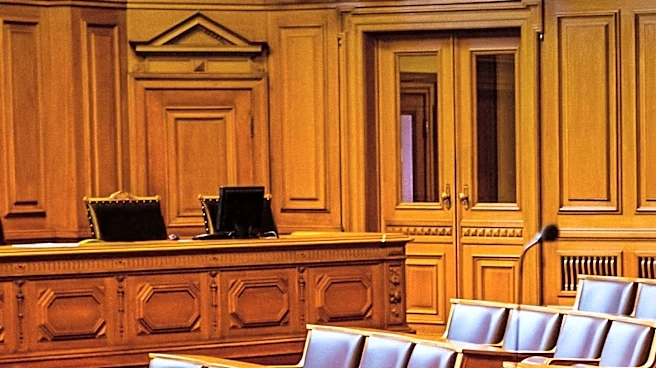
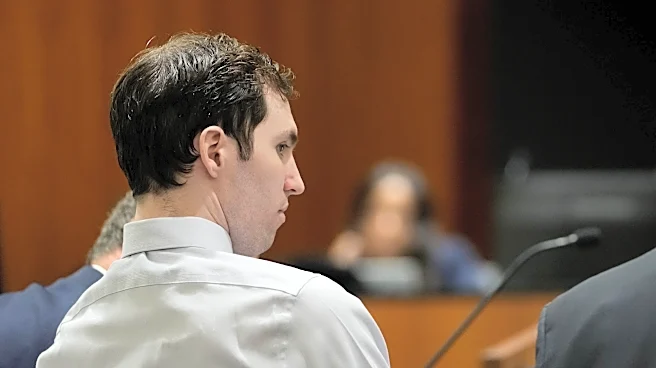
A Utah judge has ruled that the former roommate of Tyler Robinson, the suspect in the murder of conservative activist Charlie Kirk, will not be required to testify in person during a preliminary hearing. The decision was made by Judge Tony Graf, who stated
that the purpose of the preliminary hearing is to determine if there is sufficient evidence to proceed to trial, rather than to assess guilt or innocence. Robinson, charged with aggravated murder, allegedly targeted Kirk due to personal animosity. DNA evidence reportedly links Robinson to the crime scene, but his defense team argues that a bullet fragment found during the autopsy cannot be conclusively tied to the weapon found at the scene. The defense had requested a delay in the hearing to review this evidence, but the judge denied the request for in-person testimony, emphasizing that credibility challenges should occur during the trial.
Why It's Important?
This ruling is significant as it highlights the legal processes involved in high-profile cases, particularly those with potential political implications. Charlie Kirk was a prominent conservative figure and ally of President Trump, making the case a focal point for public and media attention. The decision to exclude in-person testimony from a key witness could impact the defense's strategy and the overall perception of the case. Additionally, the case underscores the challenges of managing media influence and public speculation, which can affect jury selection and trial outcomes. The ruling also reflects the judiciary's role in balancing procedural fairness with the rights of the accused.
What's Next?
The preliminary hearing is set to begin on July 6, where the court will decide if there is enough evidence to proceed to trial. The defense may continue to challenge the admissibility of evidence and the credibility of witnesses. Meanwhile, the judge is expected to rule on whether prosecutors should face sanctions for their public comments about the case. The outcome of these proceedings could influence the trial's trajectory and the strategies employed by both the prosecution and defense. The case will likely continue to attract significant media attention, potentially impacting public opinion and the legal process.