






What's Happening?
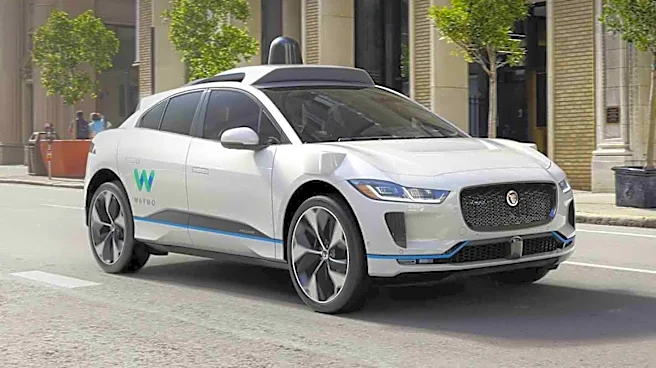
Waymo, Alphabet's self-driving car company, is set to launch its robotaxi service to the public in Denver by the end of 2026. This expansion follows deployments in over a dozen other U.S. cities. Initially, Waymo will operate within a 50-square-mile area,
primarily covering downtown Denver, with plans for future expansion into the wider metro area and Denver International Airport. The fleet will consist of fully electric SUVs, known as 'Ojai' vehicles, equipped with cameras, sensors, and artificial intelligence to navigate and predict real-time environments. Waymo has been testing its vehicles in Denver, creating a 3D map of the city's streets and operating in both supervised and fully autonomous modes. The company states that pricing will be comparable, though not competitive, with other ride-hailing services, utilizing dynamic pricing based on demand.
Why It's Important?
The introduction of Waymo's robotaxi service in Denver marks a significant step in the broader adoption of autonomous vehicle technology in major U.S. cities. Denver will be one of the first cities with consistent winter weather where Waymo deploys, testing the 'Ojai' vehicles' ability to handle snow, slush, and ice, which could pave the way for wider deployment in similar climates. This development has implications for urban transportation, potentially reducing traffic congestion, lowering emissions with electric vehicles, and offering new mobility options. However, it also raises questions about the impact on human drivers in the rideshare industry and the local economy. The expansion of autonomous services like Waymo could reshape urban planning, infrastructure needs, and the future of public and private transportation, influencing how people commute and interact with their cities.
What's Next?
Following the public launch, Waymo will likely focus on expanding its service area within Denver and eventually to Denver International Airport, a high-demand location. The company will continue to refine its technology, especially in challenging weather conditions, and gather data on its performance and safety. Public reception and regulatory responses will be crucial; Waymo publishes crash data to maintain transparency, and its safety record will be under scrutiny. The impact on traditional rideshare drivers and the local job market will also be a key area of observation, potentially leading to discussions about driver transition funds or regulatory adjustments. Other cities may look to Denver's experience as a case study for integrating autonomous vehicle services into their own transportation ecosystems.
Beyond the Headlines
The deployment of Waymo in Denver extends beyond mere transportation convenience; it represents a critical juncture in the integration of artificial intelligence into daily urban life. The 'Ojai' vehicles' ability to distinguish between different types of precipitation and adapt to construction zones highlights the sophisticated AI and sensor technology at play, pushing the boundaries of machine perception and decision-making in complex environments. This technological advancement raises profound questions about the future of human-machine interaction, the ethical implications of autonomous decision-making in unforeseen circumstances, and the evolving definition of 'safety' on public roads. Furthermore, the dynamic pricing model, while common in rideshare, takes on new significance when applied to a fully autonomous fleet, potentially influencing accessibility and equity in transportation services. The long-term success and societal acceptance of Waymo in Denver could serve as a blueprint for how cities worldwide navigate the transformative potential and challenges of widespread autonomous vehicle adoption.