








What's Happening?
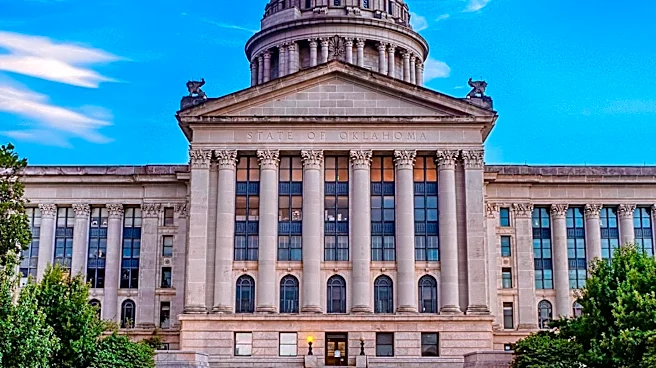
Oklahoma law currently does not mandate a specific minimum age for children to sit in the front seat of a vehicle. However, the law does require children aged eight years and younger to be properly secured in a child passenger restraint system. This includes
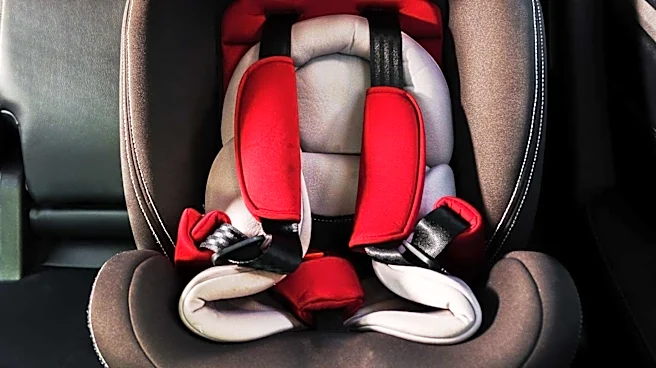
rear-facing systems for children two and under, appropriate restraint systems for children aged two to four, and child passenger restraint systems or booster seats for children aged four to eight who are less than 4 feet, 9 inches tall. Children eight and over, or taller than 4'9", may use the vehicle's regular seat belt. While Oklahoma's laws are more flexible compared to many other states, the National Highway Traffic Safety Administration (NHTSA) recommends that children remain in the back seat until they reach 13 years of age to enhance safety and reduce the risk of injuries from airbags or improperly fitting seat belts.
Why It's Important?
This legal framework is important for child safety in Oklahoma, as it places the onus on parents and guardians to ensure proper restraint for younger children, even without a front-seat age restriction. The absence of a specific age limit for front-seat occupancy in Oklahoma contrasts with recommendations from federal safety organizations like the NHTSA, which advises against children under 13 riding in the front. This discrepancy highlights a potential gap between state law and best safety practices, which could impact the well-being of children in vehicle accidents. Understanding these regulations is crucial for parents to make informed decisions about their children's seating arrangements, as car accidents remain a leading cause of death for children aged 1 to 13. Compliance with restraint system requirements is a key factor in mitigating severe injuries or fatalities.
What's Next?
Parents and guardians in Oklahoma should continue to adhere to the state's child passenger restraint system laws, ensuring that children aged eight and under are properly secured according to their age and size. While there is no immediate indication of changes to Oklahoma's specific front-seat age law, the NHTSA's recommendations for children to remain in the back seat until age 13 serve as a strong guideline for enhanced safety. Future discussions or legislative efforts could potentially address the alignment of Oklahoma's laws with federal safety recommendations. In the event of a violation, first-time offenders may face a $50 fine plus court costs, which can be waived if proof of purchasing an appropriate car seat is provided. Repeated violations may lead to additional penalties.
Beyond the Headlines
The nuanced approach of Oklahoma's child passenger safety laws, particularly the lack of a front-seat age restriction, brings to light broader considerations regarding parental discretion versus prescriptive legislation. While the law mandates specific restraint systems, it allows parents more autonomy in deciding when a child can sit in the front, potentially leading to varied safety outcomes based on individual choices. This situation underscores the ongoing tension between individual freedom and public safety regulations. The NHTSA's strong recommendation for children under 13 to ride in the back seat reflects a scientific consensus on optimal safety, suggesting that even in the absence of a legal mandate, there's a clear best practice. This dynamic highlights the importance of public education campaigns to inform parents about safety recommendations that go beyond minimum legal requirements, fostering a culture of proactive safety measures.