




What's Happening?
A comprehensive study has been conducted to assess the vulnerability of marine mammals to macroplastic pollution. The research applied a trait-based vulnerability framework to evaluate 117 species based on their likelihood of exposure, sensitivity, and
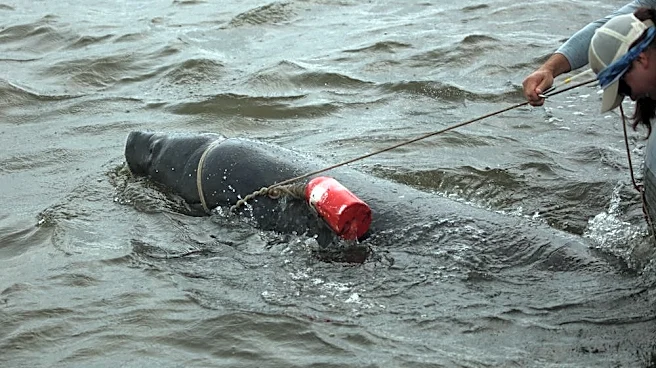
population resilience. The study found that sirenians, such as manatees, are most vulnerable to macroplastic interactions, while pinnipeds and fissipeds are least vulnerable. The findings aim to inform research and management priorities to mitigate the impacts of macroplastic pollution on marine mammals.
Why It's Important?
The study highlights the significant threat that macroplastic pollution poses to marine mammals, emphasizing the need for targeted conservation efforts. By identifying species most at risk, the research provides valuable insights for policymakers and conservationists to prioritize actions that can reduce plastic pollution and its detrimental effects on marine ecosystems. The findings also underscore the importance of global cooperation in addressing environmental challenges and protecting biodiversity.